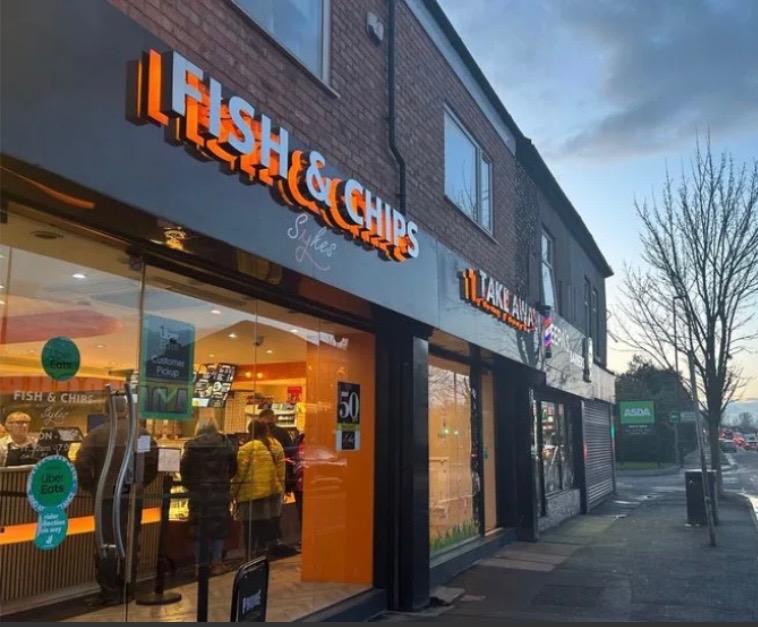
There was a time when the future of Sykes in Pendlebury, Manchester, looked uncertain. Bailiffs were at the door, equipment was being confiscated and the family business was fighting to survive. Today, the shop is busy once again, serving not only customers on one of Manchester’s main roads but also one the biggest football teams in the world, Manchester City

At 26 years old, Luke Sykes is increasingly taking a leading role in the business his father opened after moving on from the family bakery trade. Originally founded as a bakery by Luke’s grandfather, the business was later taken over by his father in the mid-1970s. However, as independent bakeries began to close and competition increased following the arrival of a large Asda nearby, the family decided to adapt. With a fish and chip shop operating next door, Luke’s father made the move into the fish and chip trade, eventually combining the two properties into a single business.
Luke himself grew up around the business, helping out from a young age before committing to it full-time 10 years ago. He now works most of the shifts, while his dad has scaled back to one day a week.
The takeaway benefits from its prominent location on a busy route into Manchester, although the nature of its trade has changed significantly. “We used to have a lot of work trade because we’re on a really busy main road,” Luke explains. “But a lot of the big works have shut down now, so lunch trade has died down a little bit. We’re not getting the big 100 meal orders anymore, but we still get a lot of passing trade and we have a lot of regulars too.”
Like many operators across hospitality, Sykes has had to react to rising labour costs and staffing pressures, with the business now operating Tuesday to Saturday rather than Monday to Saturday.
“We just can’t afford to have the amount of staff that we used to, with the increase in national insurance and minimum wage,” says Luke. “We’ve gone from about 16 staff down to about eight or nine now. As someone’s left, we’ve not really replaced them. The team we’ve got now, although it’s smaller, is a really good core of people who have worked here a long, long time, so know the business inside out. We’re all doing a few extra hours, but they all understand the situation businesses, especially fish and chip shops and hospitality, are facing at the minute.”
Broader appeal
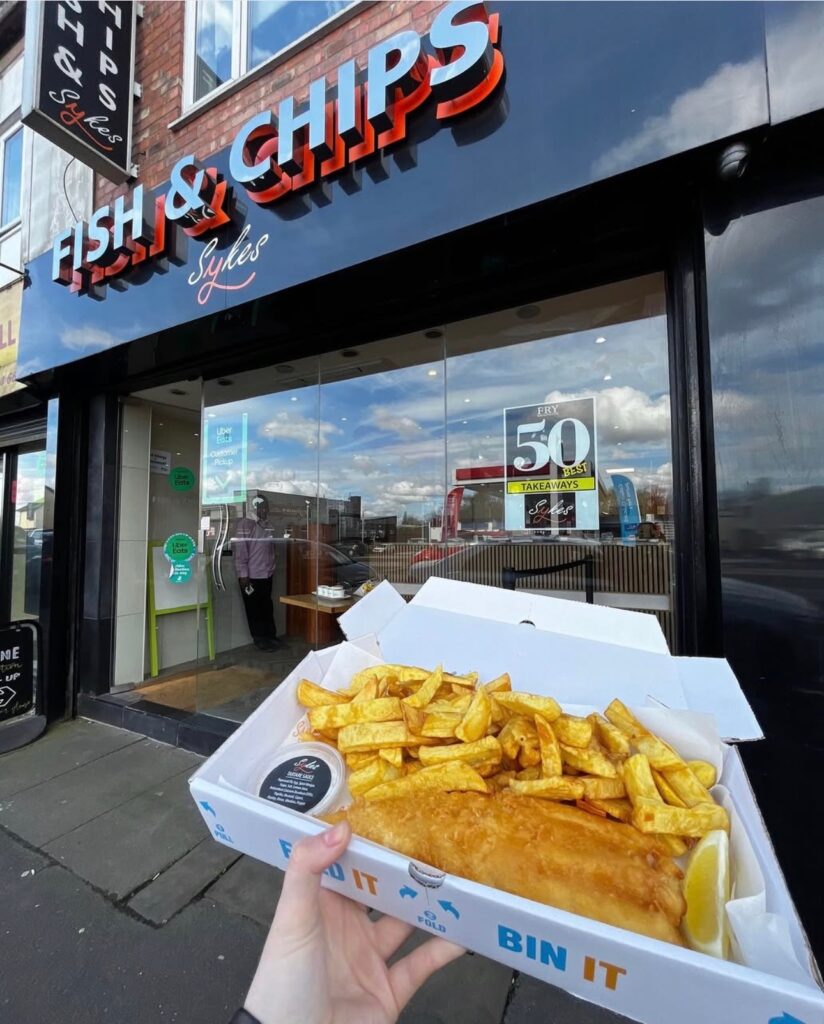
Alongside reducing overheads, Sykes has worked on its menu to improve margins while broadening its appeal. The traditional fish and chips offering remains central, but Luke and his father are increasingly experimenting with new dishes and homemade products.
“We have all your traditionals – fish, chips and puddings – but we’re trying to modernise a little bit as well,” says Luke. “We do loaded chips and things like that. One thing that sells loads is our cheese and onion patties. It’s really creamy mashed potato with loads of butter in it, salt and pepper and fried onions, then we batter them. They’re absolutely gorgeous.”
Homemade pies have become another key focus, partly as a response to the rising cost of ingredients. “My dad and I were arguing about whether to take braising steak off the menu because steak is expensive,” Luke says. “My dad saw it as a loss leader. So I said, let’s keep it on the menu, but do it in a pie where it’s more portion controlled. Then you’re charging for chips separately, peas or gravy separately, and your profit margins go up while customers are still getting the steak.”
The pies also link the business back to its bakery heritage with Luke’s dad adding his old cheese and onion recipe from the bakery back onto the menu. The pies are sold hot but also cold, but par-baked so customers can finish them at home in 10 minutes. These are sold in addition to bought-in pies, with Luke explaining: “You’ve got to offer alternatives. Some people will spend more on homemade products, but not everybody does.”
Luke says making decisions about what to stock and when to take items off the menu has become easier since investing in an EPOS system three years ago. “I’m constantly running the EPoS system now and checking what’s not selling,” he explains. “If we’re not selling it, it comes off the menu. We can’t afford waste at the minute.
“The EPoS system helps massively with stock management because with a basic till you don’t really know what you’re selling. It’s like having another staff member that knows everything about the business and where you’re making profit.”
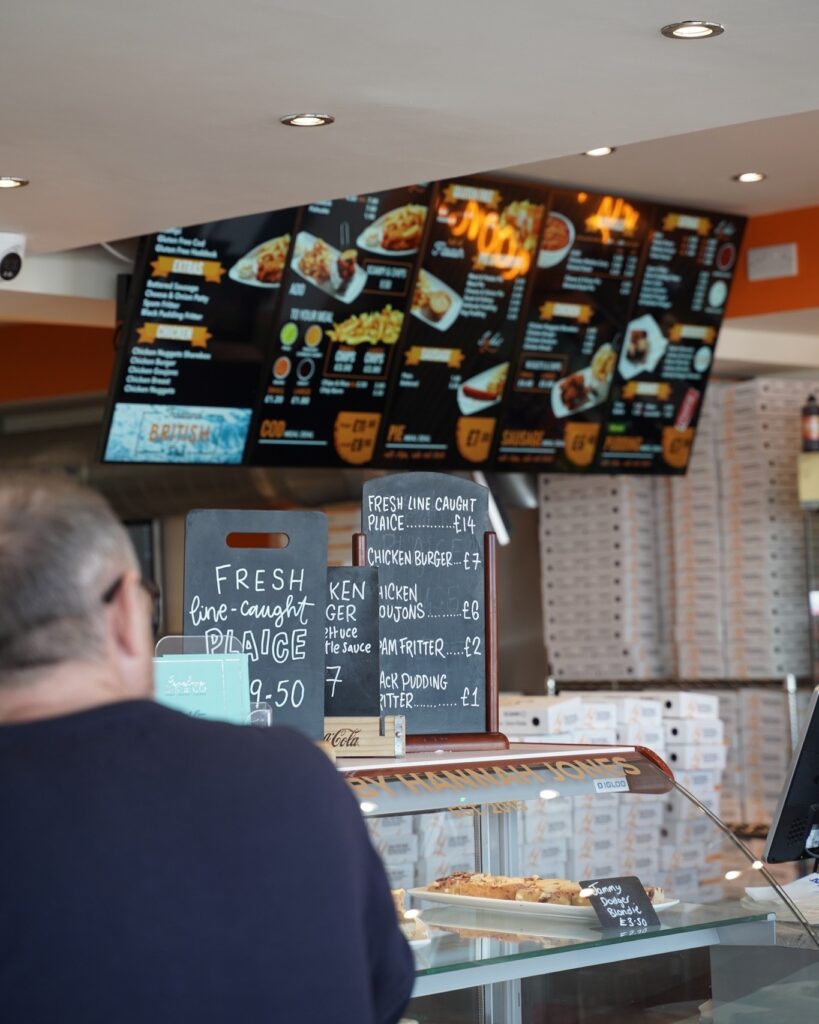
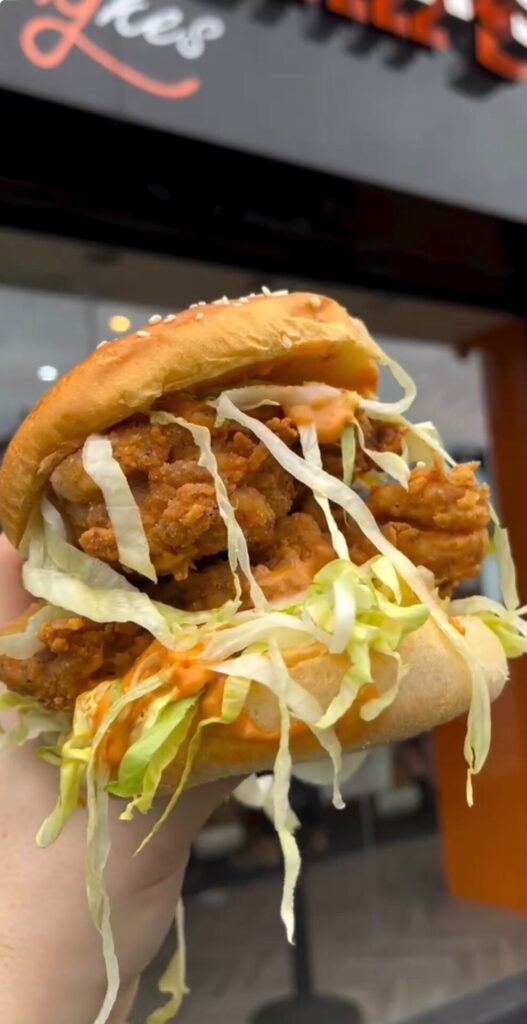
Chicken products and newer menu additions are also helping Sykes appeal to younger customers. “We’re doing a lot of chicken now,” says Luke. “We’ve got salt and pepper chicken balls, chicken burgers, goujons and we make our own breading and wet mix. It does seem to appeal more to younger people, but we still get work lads and middle-aged customers having it too. You’ve got to appeal to everyone now.”
Despite the changes, Luke remains conscious of the hard work that transformed the business over the years. “When my dad took over the business, he was younger than me,” he says. “It wasn’t doing brilliantly. He had bailiffs at the back door confiscating equipment. But over the years, he’s gone from that to building a really successful business through working 14 hours a day, six days a week for over 30 years.”
Fish prices
Fish prices continue to be one of the biggest pressures facing the shop. Sykes currently serves cod, haddock and plaice and has tried alternative species, but they have been hard to sell.
“We tried hake in the past, but people just won’t falter,” Luke says. “Trying to educate customers who’ve had the same species for years is difficult. People are just going to have what they want.”
Instead, he’s finding other ways around the issue, for example, introducing smaller portions and lunchtime meal deals, but having the biggest impact has been the recent switch from frozen at sea cod to fresh fillets after discovering it was more cost-effective. “We always assumed fresh would be more expensive,” Luke explains. “But after speaking to our fish merchant, who we buy our fresh haddock from, we worked out buying fresh cod, pre-filleted was cheaper than buying frozen at sea fillets and skinning and boning them ourselves.
“We’ve managed to keep the price down that way. We’re £7.50 for a 7oz cod at the minute, but we are going to have to put it up a bit. I think people just have to accept that unfortunately.”
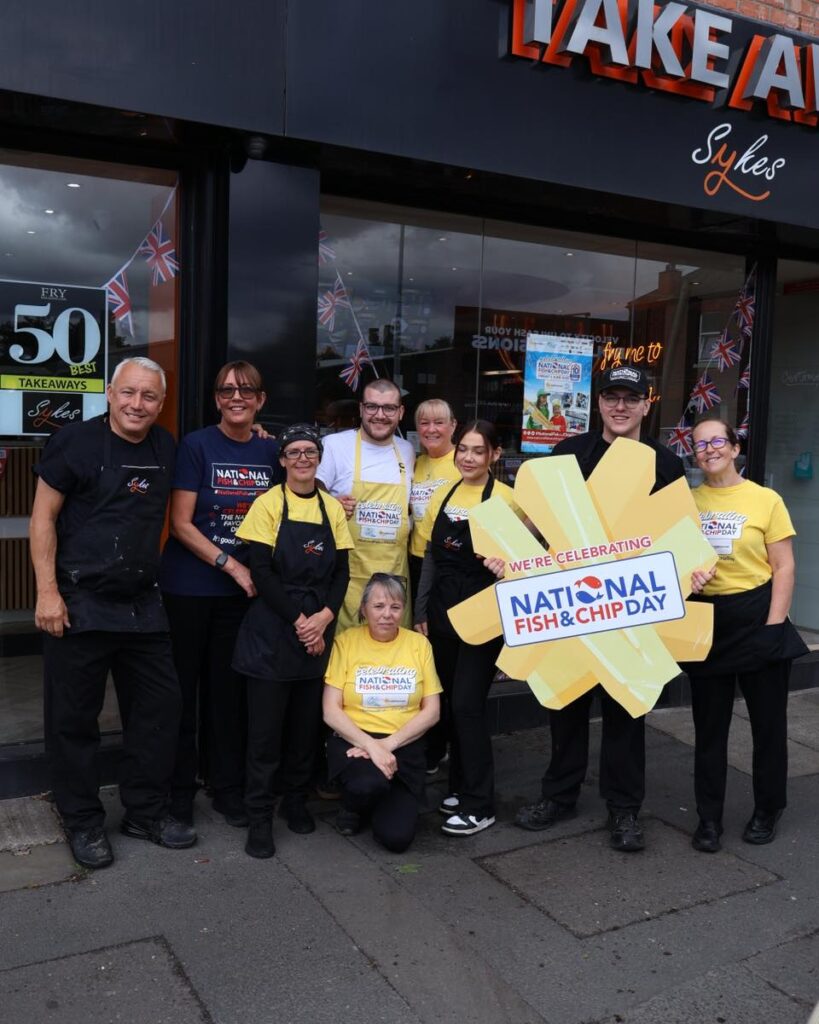
Luke believes confidence in quality is crucial when dealing with rising prices, and that despite experiencing a few occasions where customers have turned their noses up, they usually come back. “We know we might not see Kai who comes in every Thursday for a few weeks, and that’s fine, everyone’s got the right to try, but you’ve got to back your product. And I know for a fact we’re buying the best we can and we’re selling it at a price that means it’s still worth us doing.”
The business has also benefited from increased exposure through industry awards and high profile catering events. Sykes has made Fry Magazine’s 50 Best Fish & Chip Takeaways again this year, something Luke says generates valuable publicity.
“We’ve been doing the Fry Top 50 for the past few years now,” he says. “It brings a lot of newspaper coverage and we always see new faces coming in afterwards. The feedback forms are useful as well because they give you a benchmark and highlight things you can improve.”
One of the shop’s biggest recent talking points has been catering for Manchester City following a phone call from the head chef for the first team last year. “Kyle Walker was leaving and apparently he said he was sick of pasta and wanted a chippy. So we borrowed a standalone fryer and catered for about 150 people including players, coaches and staff.”
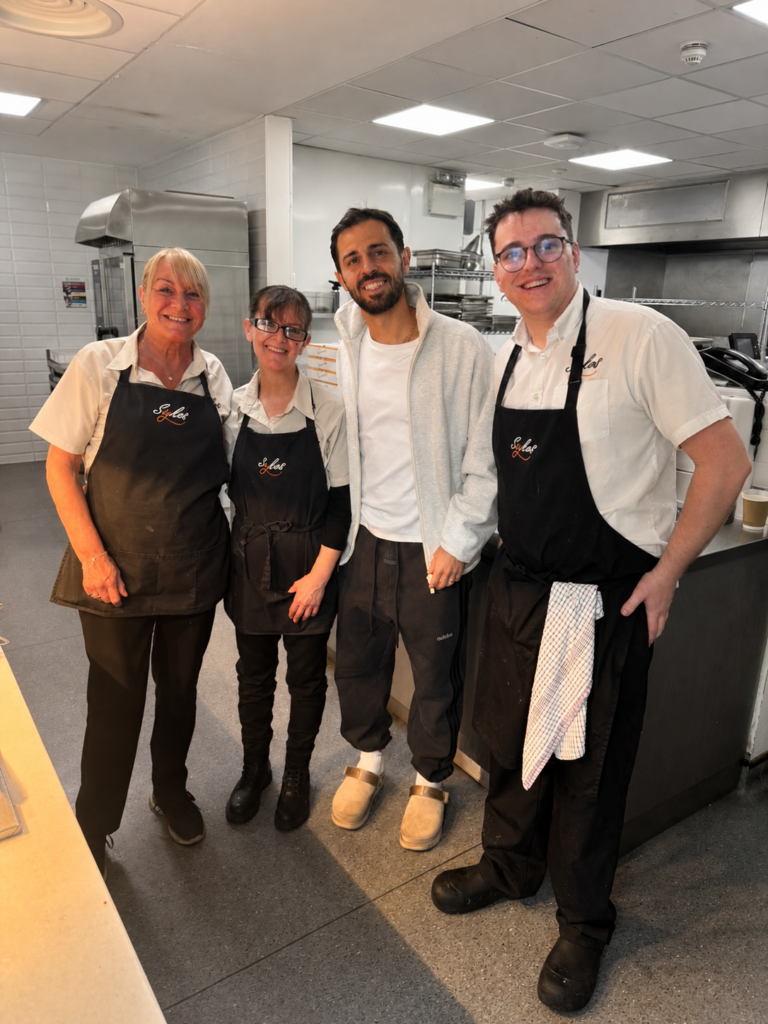
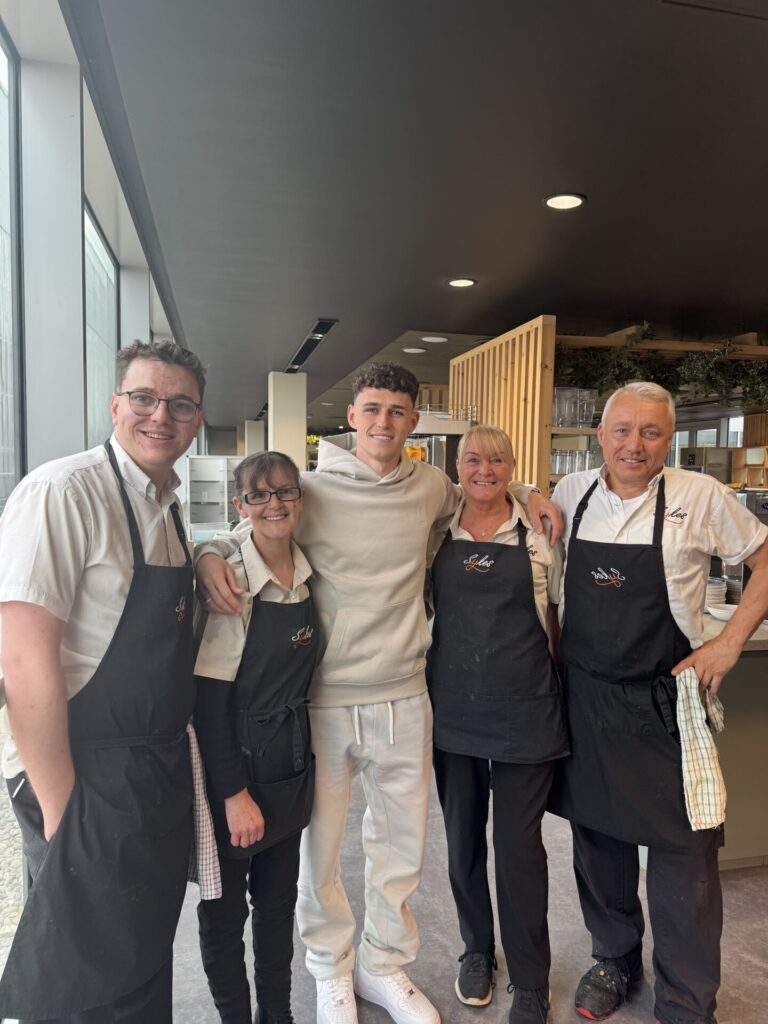
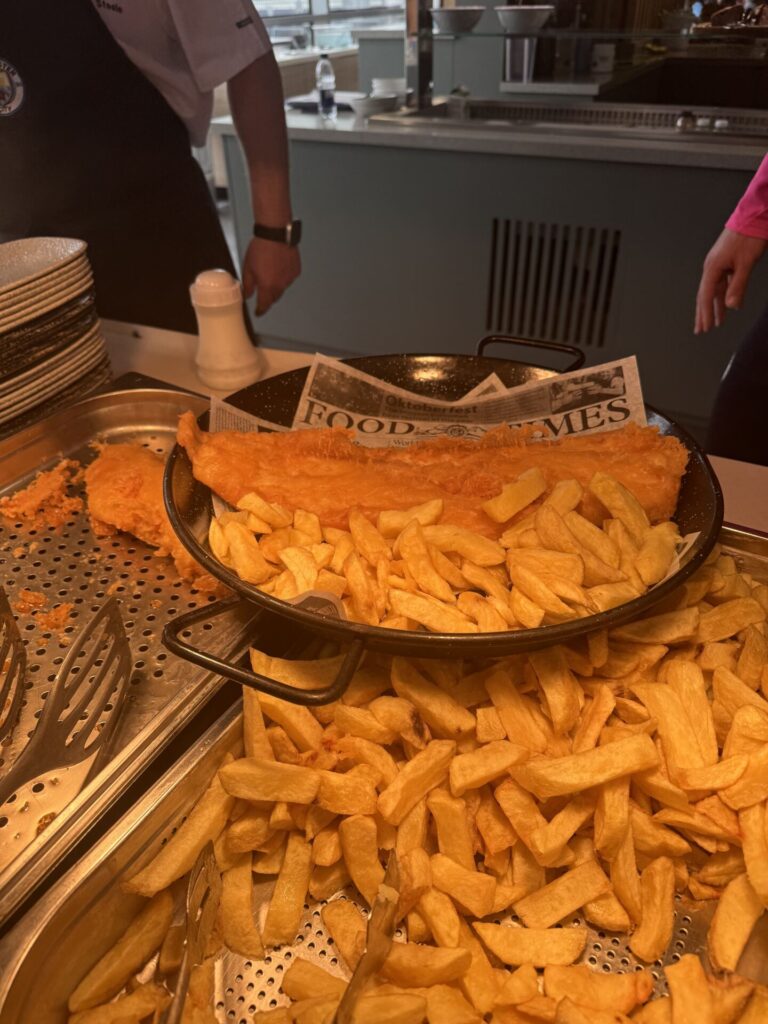
The relationship has continued this year, with Sykes returning for Bernardo Silva and John Stones’ leaving celebrations. “When we went last year, Haaland had five portions and we were worried we wouldn’t have enough,” Luke says. “So this time we did Haaland his own 32oz cod. He had to sit and wait for it, but he ate the whole thing!”
With all the staff at Sykes huge Manchester City fans, it was a memorable experience for them, while also providing valuable marketing for the shop. “It ended up in the Manchester Evening News and, the Friday after, the shop was packed with people we didn’t recognise,” says Luke. “That kind of PR is massive for us.”
The catering work could become a larger part of the business going forward, particularly with a social club located opposite the shop. “We bought a fryer for the fish and chips at Man City so we’re looking at how we can use that some more,” Luke says. “Hopefully we can do things over at the social club during the World Cup.”
For now, though, the focus remains on consistency and adapting to changing market conditions. “I think we’ve just got to keep doing what we’re doing and keep the quality where it is,” says Luke.
Recent Posts
- World Cup lifts pubs but restaurant sales dip in flat June for hospitality


- Takeaways and restaurants excluded from business rates cut
- Two chippies win one-to-one support from Frymax
- Bellingham and Rogers mural gives Birmingham chip shop a 30% boost to trade
- Fast food footfall falls as chicken continues to gain ground