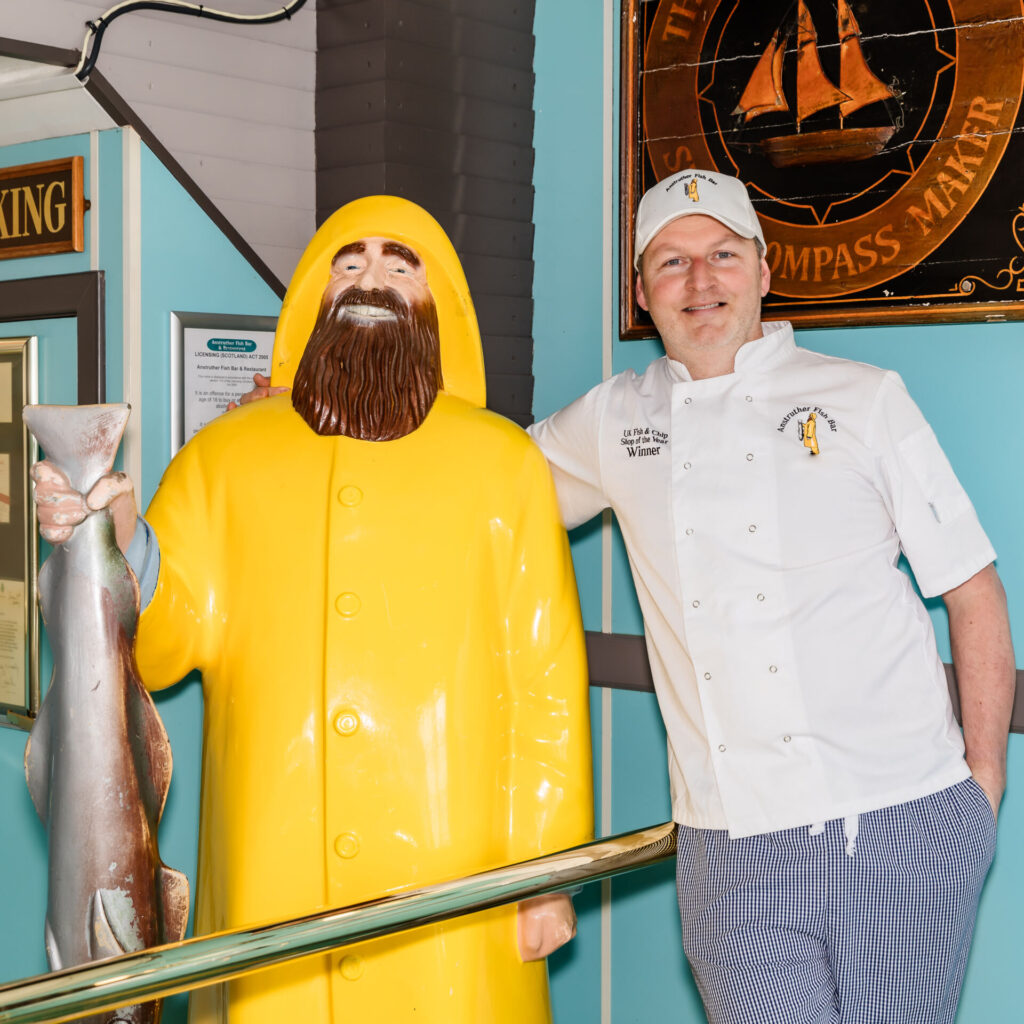
Clearer financial insights from investing in a new EPoS system is helping Walker manage the daily pressures of running his busy harbourside business

As everyone across the industry knows, we’re all feeling the same pressures just now – ingredients, wages, energy, packaging, the lot. Running a fish and chip shop has never been easy, but the last few years have really sharpened the focus on knowing exactly where every pound is going.
One of the biggest changes we’ve made at Anstruther Fish Bar has been upgrading our EPoS system and honestly it’s been quite eye-opening for us. We’ve always upgraded things gradually over the years, but when we first took over the business, everything was still being backed up on floppy disks. Looking back it would be very challenging to run a business in this current economic climate without the information available to us now.
Now everything’s digital, everything speaks to each other, and it’s made the management side of the business so much easier. More importantly, it’s given us proper real-time information. We can now monitor wages against net sales every day, every shift, every hour if we need to.
That’s become crucial because staffing costs have probably been the biggest increase we’ve seen over the last two or three years. Fish and chips make up 82% of our sales here – that’s what people come for when they visit the harbour – but regardless of how many suppers you sell, the labour costs are always there. Straight away, around 30% of every pound coming in is going back out on staff costs, and that’s before you even think about the fish, tatties, heat, light, advertising or admin.

Our EPoS helps us capture all of that properly. Staff can swap shifts online without managers chasing texts and phone calls all day. If somebody covering a shift is on £15 an hour instead of £10, the system accounts for it automatically and shows how that impacts labour costs against sales. It gives the management team and supervisors a much clearer understanding of how the business actually operates day to day.
The biggest thing is visibility as I can switch my phone on from anywhere and instantly see how the business is performing back home because it’s all online. If something suddenly looks out of the ordinary, I can phone the shop and find out what’s happened. Maybe the dishwasher’s off sick and the only person available to cover was the kitchen manager, so your labour percentage jumps for that shift. Before, you maybe wouldn’t have spotted that until weeks later.
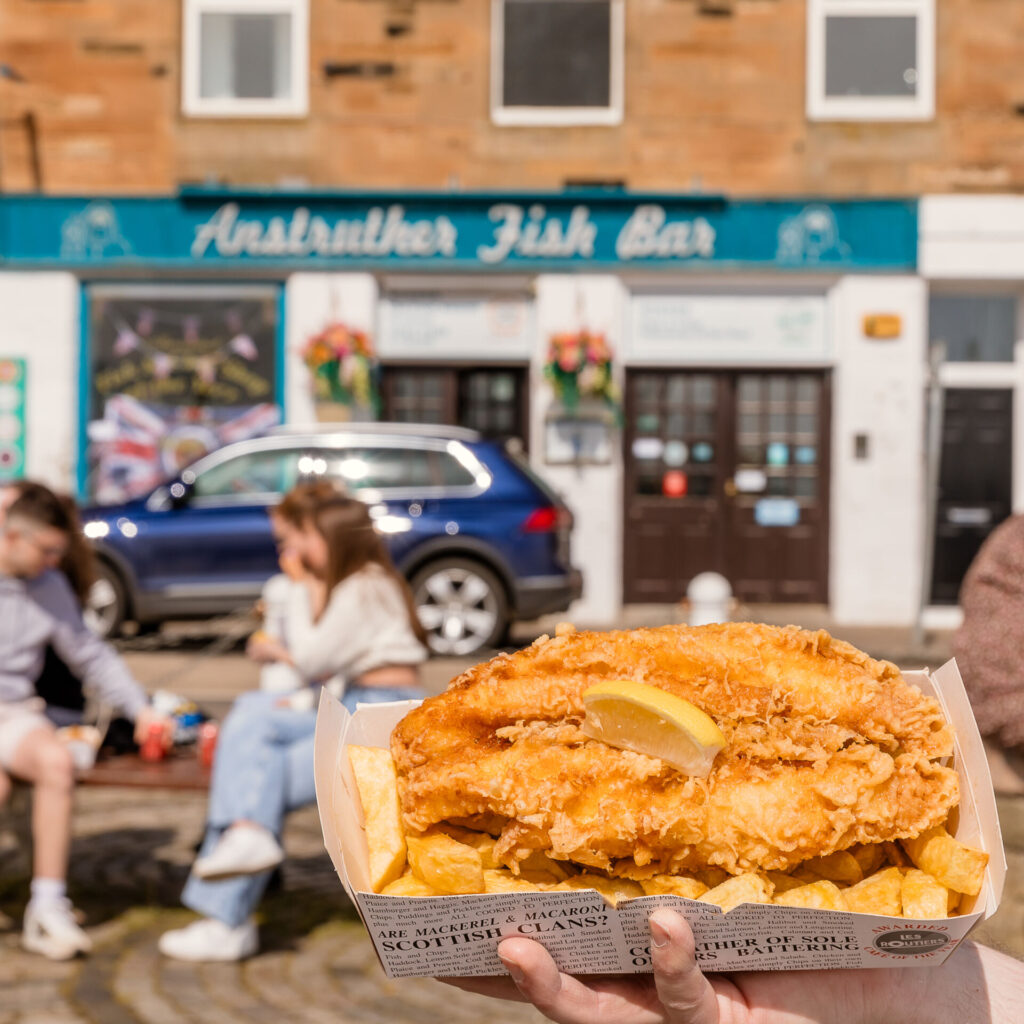
The same applies to ingredients. One week a bag of tatties might cost £12 and the next week it’s £17.50. You need to see those changes quickly because margins are tight. Fish prices have obviously continued to rise too. In 2023 we broke the £10 barrier for a fish supper for the first time and were charging £10.30. Now we’re at £12.40 which still feels strange to say out loud.
On a lighter note, we’re gearing up for a busy summer and bringing back our “seagull poo” ice cream again, which always gets folk talking. We’re also preparing for the government’s summer VAT reduction on children’s meals. Hopefully it encourages more families to get out and about, but there’s definitely extra work involved behind the scenes. Businesses still have to update tills, systems and menus, plus deal with the added accounting and admin. It’s not quite as simple as people think. But if it helps bring people through the doors and supports hospitality, then hopefully it’ll be a positive thing for everyone.
Recent Posts
- World Cup lifts pubs but restaurant sales dip in flat June for hospitality


- Takeaways and restaurants excluded from business rates cut

- Two chippies win one-to-one support from Frymax

- Bellingham and Rogers mural gives Birmingham chip shop a 30% boost to trade

- Fast food footfall falls as chicken continues to gain ground