Purchasing specialist Lynx Purchasing is warning that fierce competition for available supplies from retailers and food manufacturers could leave restaurants and takeaways asked to pay premium prices for weather-impacted fresh produce.

“The extended period of very hot dry weather across the summer has caused considerable problems with food supply,” said Lynx Purchasing managing director Rachel Dobson. “Many crops were lost altogether, and where they have been harvested, produce such as potatoes, carrots and brassicas are smaller than usual, often with visible marks and blemishes.
“Retailers and manufacturers whose usual suppliers can’t meet their demand are already very active in the open market, securing whatever they can. That puts hospitality, which is a more fragmented market with less concentrated buying power, at a serious disadvantage.”
The warning comes as Lynx Purchasing publishes the Autumn 2026 edition of its regular Market Forecast. The report uses exclusive insight from the range of suppliers that Lynx works with, as well as official inflation data, to look at food and drink pricing in the run-up to the crucial Christmas trading period.
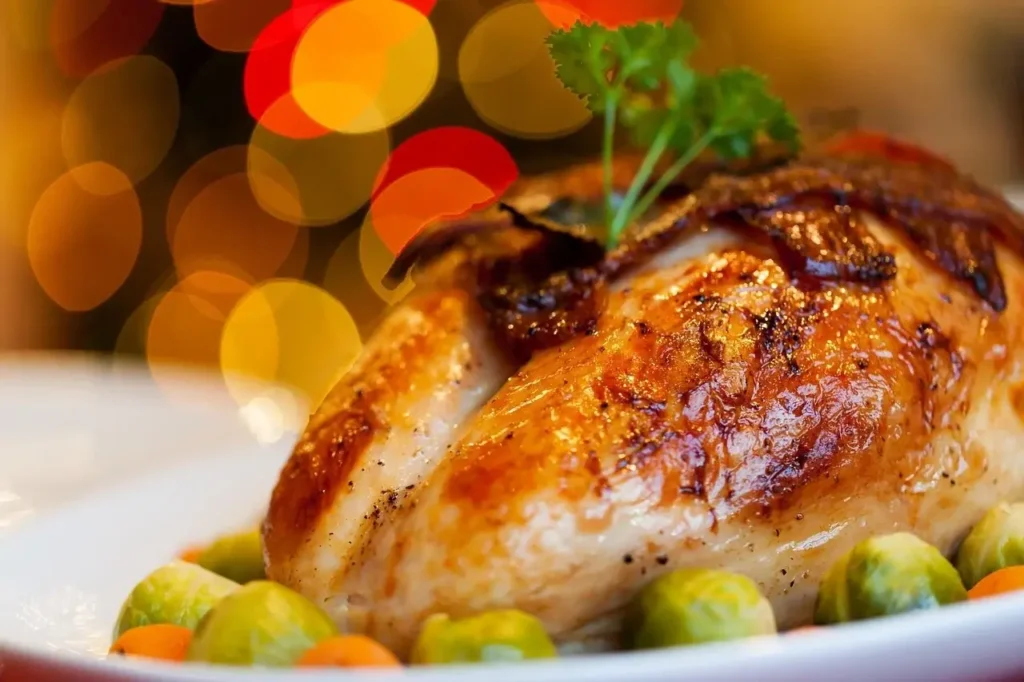
Rachel continued: “The challenges extend to meat and poultry, as the availability of animal feed is similarly affected by the poor harvest. By Christmas, hospitality operators may find themselves being asked very high prices for festive menu essentials such as turkey, roast potatoes and brussels sprouts.”

Product areas flagged up in the latest Market Forecast include:
- Poultry: Turkey production this year will be impacted by higher feed costs, but suppliers generally expect prices and availability this Christmas to be broadly in line with last year. The biggest variable remains the continued impact of avian flu, which can restrict supplies and so push up costs.
- Fish & seafood: Higher sea temperatures have an almost immediate effect on the quality and diversity of fish caught in British waters. Fresh fish prices have spiked due to lower availability of the most in-demand species, as well as quota restrictions. With high demand for salmon from markets including China, farmed salmon prices are likely to be high in the run-up to Christmas.
- Potatoes: The hot dry summer has hit the potato crop particularly hard. Size, quality and availability are all impacted. Many growers lost most or all of their crop, and those potatoes that have been harvested are typically smaller, and poorer in quality and appearance. With both supermarkets and frozen manufacturers competing for available supplies in the UK and Europe, hospitality operators risk getting squeezed on price, quality and availability.
- Vegetables: Almost every vegetable category has been affected by the hot, dry conditions, Brassicas, with their delicate leaves, are particularly vulnerable to sun damage and shrinkage. Broccoli, cabbage and kale have all been affected, with cauliflower in particularly short supply at the end of the summer. Late planting of Brussels sprouts is likely to affect availability in the run-up to Christmas.
- Salads: The dry summer and sporadic wildfires have impacted European production and supply, and the continued effects of climate change are a concern. Sainsbury’s has already announced a long-term deal to source more British tomatoes, cucumbers and peppers, and as other supermarkets follow suit, hospitality operators should be ready for price increases and availability issues until supplies recover.
Rachel added: “Even without the impact of the hot dry summer, food inflation was forecast to be at higher levels this autumn, and the latest supply challenges come on top of the ongoing impact of the conflicts in Ukraine and the Gulf.
“More than ever, working with suppliers to make the most of the available produce will help mitigate the impact of higher distribution costs combined with lower availability.”
A free copy of the Autumn 2026 edition of the Lynx Purchasing can be downloaded from the website at www.lynxpurchasing.co.uk. A free guide, The Seven Habits of Highly Effective Purchasing Teams, is also available on the site.