
In an increasingly competitive market, businesses must focus on meaningful engagement to win new customers, deepen loyalty and encourage repeat visits
The defining hospitality question for 2026 is no longer, “Will consumers pay more?” It’s, “Will they come back?” That’s the finding of the latest State of the Nation report, a survey of nearly 30,000 hospitality guests carried out by 125 Data Insights, which reveals a market where consumers are not quitting hospitality, but editing it. Eating and drinking out remains important, but guests are becoming more selective about when, where and why they spend.
According to the report, four macro shifts are reshaping how the UK is eating and drinking out in 2026. Firstly, spend per visit is holding up, however, frequency is not. Rather than seeking the lowest price, guests are seeking justification for their spend, and that justification comes through memorable, high quality experiences delivered in venue.
Secondly, the focus has shifted from the meal itself to the moment surrounding it. Consumers increasingly view going out as an occasion, with 50% of guests planning in advance. Younger groups are the exception, however, with Gen Z dining more spontaneously. Thirdly, it cites trust as the most powerful driver of venue choice. Three-quarters of decisions are now influenced by previous experience and personal recommendation, outperforming promotional offers and advertising. Social media continues to play an important role in discovery, with Instagram leading venue influence, while TikTok drives awareness among younger audiences. However, it is operational excellence that ultimately secures the next visit.
Finally, the research highlights that loyalty is becoming increasingly fragmented, with the brand relationship behind the connection, not the scheme itself, that drives repeat visits. While 65+ is the most loyalty-engaged group with 40% of over-55s engaging with one to two schemes – the highest of any age – 43% of under-25s engage with no scheme at all, despite dining out more frequently. This presents an opportunity for operators to design schemes to appeal specifically to this demographic.
The report suggests that the winning formula for hospitality brands in 2026 is a combination of value and experience. The in-venue experience matters just as much as price, with warmth, recognition and consistency helping to justify spend, while effective marketing and CRM strategies helps secure their next visit. The challenge for hospitality brands, it says, is to create compelling reasons for guests to return more often, not just reasons to spend more when they do.
What is the industry doing to engage with customers and encouraging them to return?
Sarah Heward, Real Food Cafe, Tyndrum, Stirling
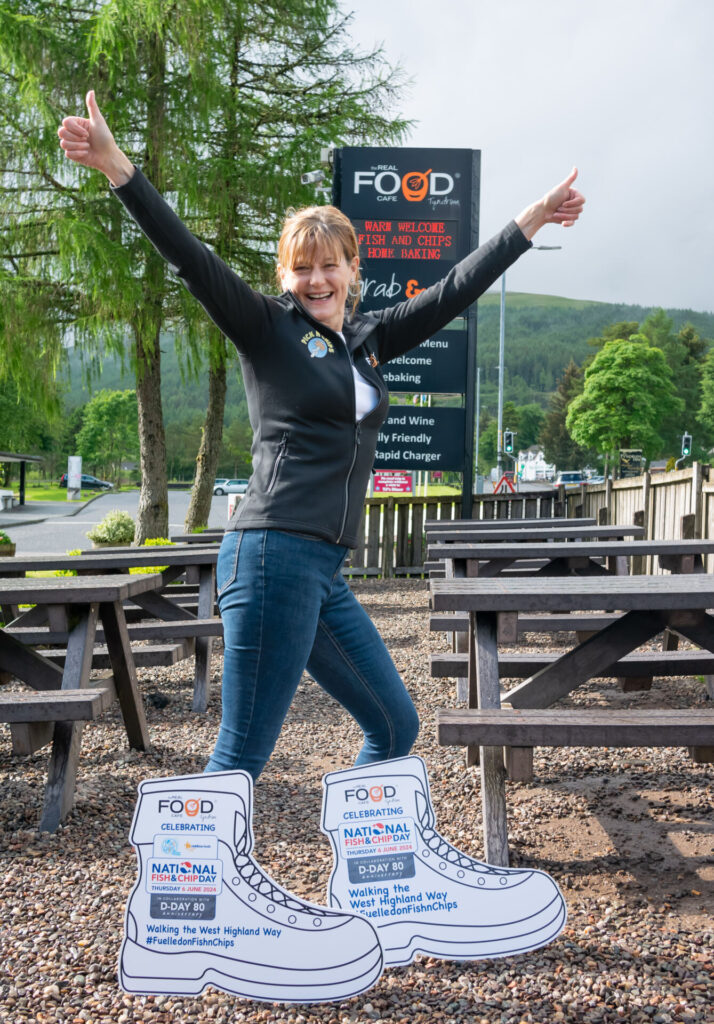
“We’re constantly evolving and review our menu twice a year. We’ve recently introduced some new fish dishes, including smoked mussel popcorn made with smoked mussels from the Isle of Mull, and a smoked trout pâté using trout from the island as well. We’ve also added a deep-fried Scottish brie from Ayrshire that we coat ourselves. People want a taste of the local area when they’re visiting, and that’s a real differentiator for us. It helps justify pricing because we’re offering unique, authentic, local products with a strong quality story behind them.
We’ve also invested in a catering van, which we’re planning to launch in July. It will be called Real n Loaded and will operate from our car park, helping us serve customers when the restaurant is busy. It also helps improve margins at a time when fish is extremely expensive. The menu will be simple, with around six loaded fries options alongside canned and bottled drinks.
We’ve already introduced a coffee vending offer and have now ordered a vending machine to sell cakes as an additional upsell. You’ve got to keep evolving your business. You can’t stand still because if you stand still, you’re literally going backwards.”
Wendy Napthine Frame, Cromars, St Andrews, Fife
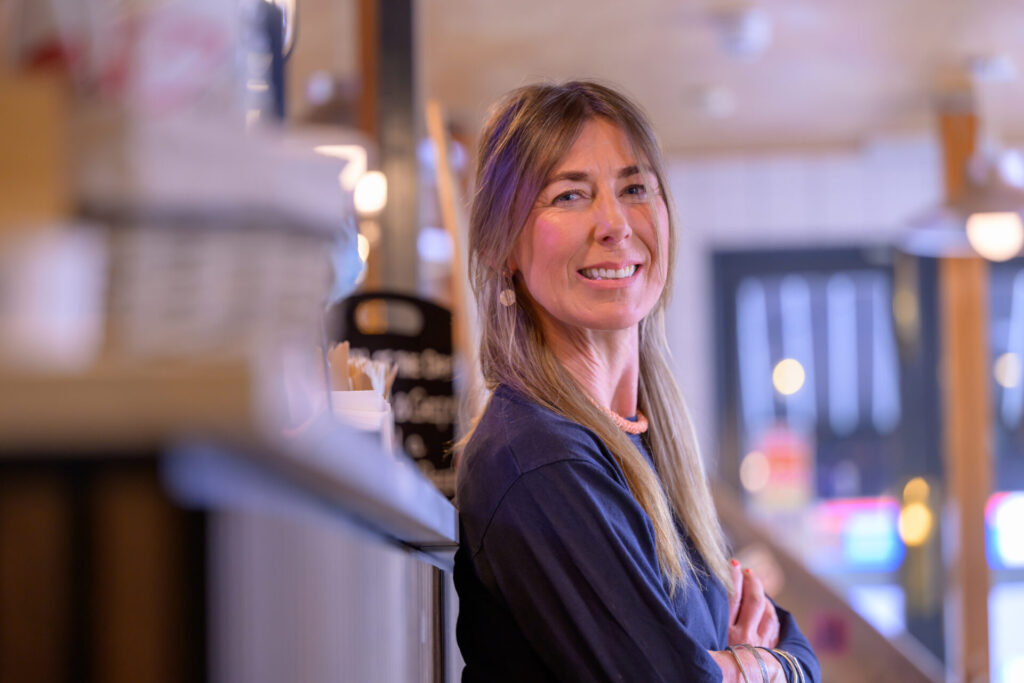
“Social media has become a huge focus for us. We’ve got a great member of the team managing our channels and she’s really proactive about creating content and generating engagement. We’ve finally launched a TikTok account and that’s growing very quickly. People often think TikTok is just for younger audiences, but we’re seeing engagement from all age groups. We’re constantly posting and we definitely see an uptick in trade when posts perform well. One example was our battered Creme Egg special at Easter. We put up a post and the response was incredible, with people coming in specifically to try it.
On the menu side, we’ve learned that sometimes simpler is better. We experimented with items such as prawn cocktail and deep fried mozzarella balls, but we’ve recently taken them off as they added complexity for very little return. Around 80% of what we sell is fish and chips, so we’re focused on doing that really well rather than stressing the kitchen.
We’ve also expanded beyond our main site. We launched a container operation at a holiday park outside St Andrews at the end of March. The park loves it because it keeps visitors on site, while it’s also attracting local customers who don’t want to drive into town. The menu is smaller and focused on bestsellers such as fish and chips, battered sausage, chicken goujons and children’s meals. We’re also opening another container unit on a construction site, serving around 350 workers, which will remain there until 2028. It’s called Roll in One by Cromars and will focus on filled rolls and similar grab-and-go options. There are lots of opportunities out there and we’re feeling positive.”
John Molnar, The Cod’s Scallops, Nottingham

“Social media is where we drive nearly all of our marketing. We spend a lot of time creating videos and telling customers what’s coming next. Recently we’ve been talking about potentially adding giant prawns from Nigeria to the menu. They’re almost the size of lobsters, and it’s something a bit different that creates interest and conversation, so we use social media to involve customers in those decisions.
We’re also looking at some seasonal additions. One is a Cajun baked mackerel with tomato and red onion salad, offering something lighter and more barbecue-inspired for summer. Another is a Biscoff cheesecake because sometimes people fancy a dessert, and if they come in for that they’ll often add chips or something else to their order as well.”
Ben Seed, Salt Fish & Chips, Seascale, Cumbria

“We’ve recently started brewing our own beer on site. I’ve installed the brewing equipment downstairs and produce beer specifically for the shop. Depending on the style, it takes around two to three weeks from brewing to serving. It’s definitely helped give people another reason to visit as it’s a unique selling point for the business and I don’t know of many fish and chip shops brewing their own beer.
In terms of food, I don’t believe in having an extensive menu. We focus on fish and chips and make sure we do it well. I understand why some operators diversify into pizzas, wraps or fried chicken, but for us it’s about staying focused. One area that really stands out is our homemade tartare sauce. Customers comment on it more than almost anything else. We sell it as an optional extra in four ounce pots and we used to include it automatically with meals, but we found a lot was being wasted. By making it an add-on, reducing meal prices slightly and training staff to offer it, we’ve been able to sell a lot of it. It’s not really about profit; it’s about elevating us up a little bit so that maybe weights the person’s choice to come here rather than somewhere else.”
James Ellams, Fish & Chips @ Weston Grove, Upton, Chester
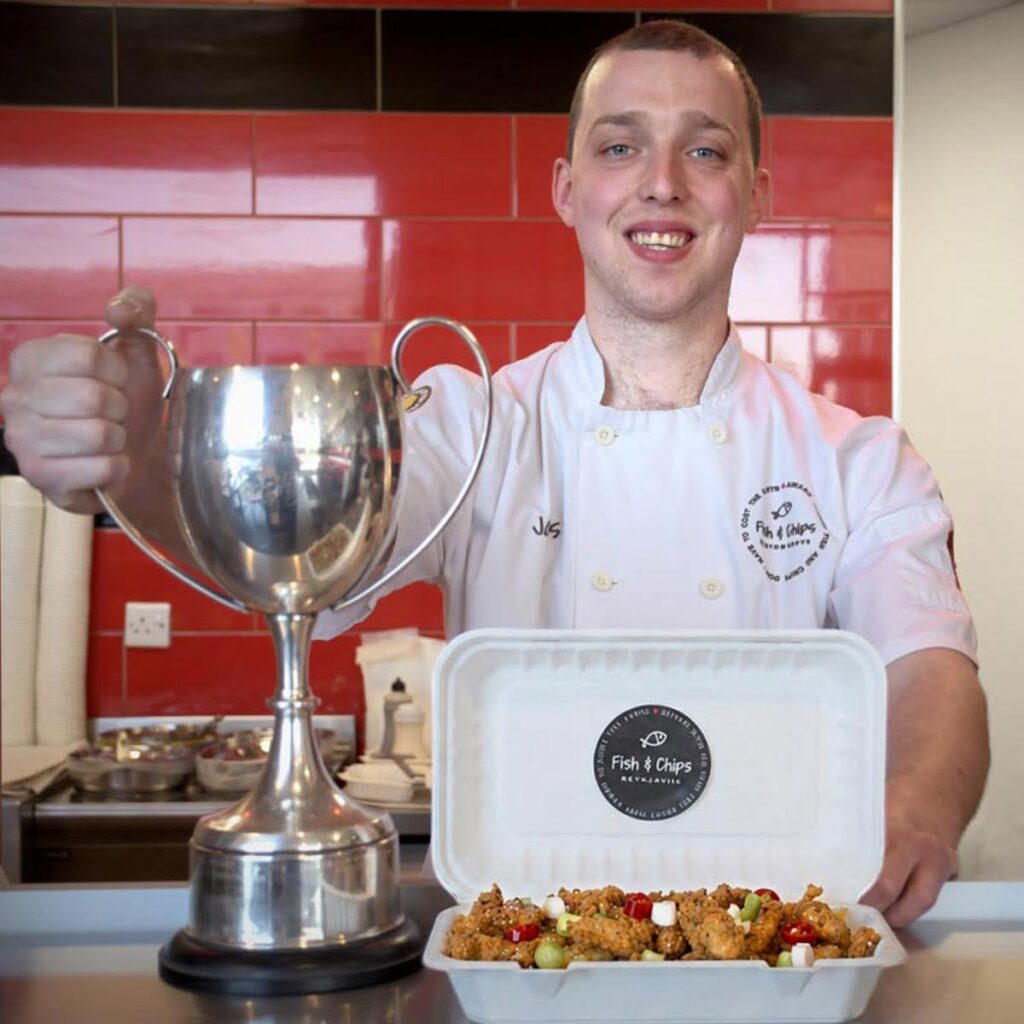
“The main thing we’re doing to keep customers coming back is maintaining exceptional quality and consistency. Every fish and chips that leaves the shop should be the best that customer is going to have.
Training is central to that. We teach staff how we make our batter, how we maintain oil quality and why those things matter. When people understand the reasons behind the process, they’re more likely to follow it properly.
Consistency is also about portion control. We use chip scoops and have clear portion sizes so every customer receives the same product every time. Whether it’s their first visit or their hundredth, the experience should be identical.
Customer service is equally important. Some customers might not speak to anyone else that day, so we take time with people. We’re not just serving fish and chips; we’re building relationships and creating a sense of community. That’s something we believe customers remember and value.”
Recent Posts
- World Cup lifts pubs but restaurant sales dip in flat June for hospitality


- Takeaways and restaurants excluded from business rates cut
- Two chippies win one-to-one support from Frymax
- Bellingham and Rogers mural gives Birmingham chip shop a 30% boost to trade
- Fast food footfall falls as chicken continues to gain ground