When a busy London fish and chip restaurant removes cod from the menu, you know things are serious.

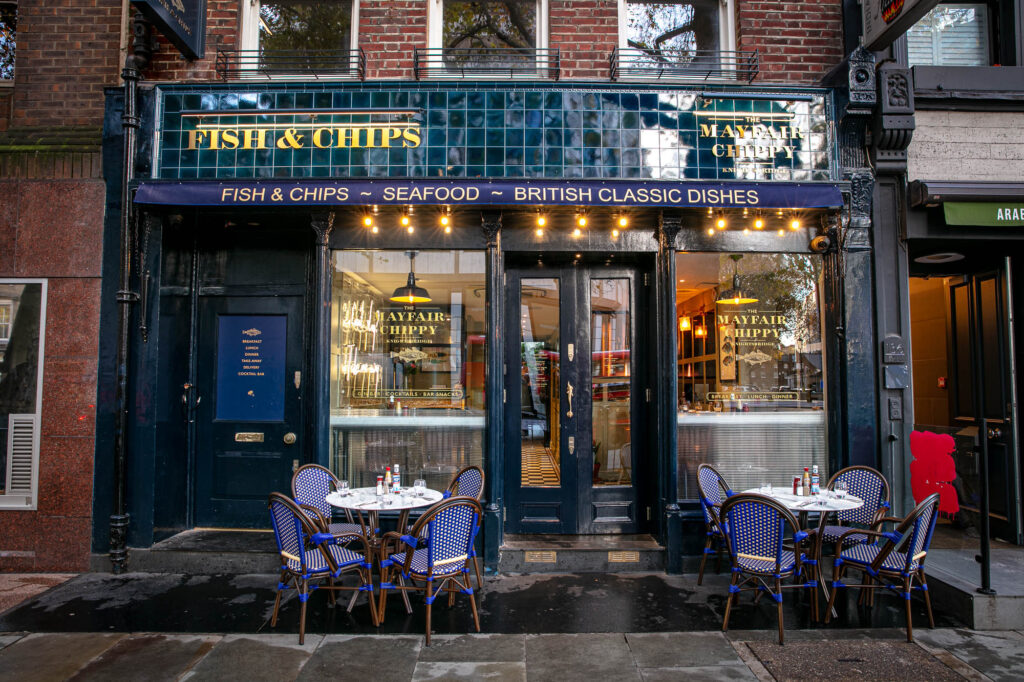
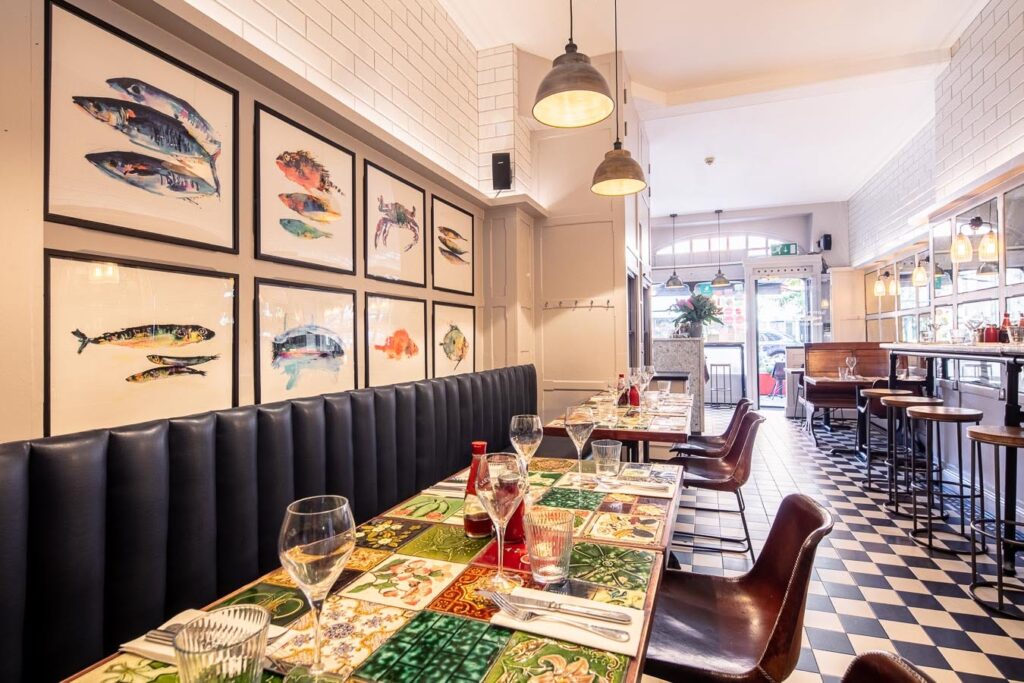
Late last year, The Mayfair Chippy took cod off the menu at its two high-footfall restaurants and takeaways in Mayfair and Knightsbridge, becoming one of the first operators in the sector to stop serving Britain’s traditional favourite. With cod prices soaring, the business could no longer justify keeping it on the menu.
The move was a significant one for the business, but director Peter Taylor says it was driven by necessity. He comments: ”We took cod off the menu in November last year. I think we were one of the first ones to do it and it was a big decision because it’s been a staple on the menu since we opened. My supplier at the time asked me, ‘Are you sure?’ But a lot of shops have followed suit now.”
The figures explain why. “I spoke to my supplier last week and cod is £19 a kilo now. If I had it on the menu today, the Mayfair Classic would have to be over £30, and cod on its own would be around £22. That’s just too much.”
Instead, customers are offered haddock or hake, with the latter proving more popular than Peter initially expected. “We’ve put hake on the menu and it’s been really successful. The challenge we have is that some of our tourist trade who don’t understand the difficulties we are having with fish at the moment, they’re not very forgiving. On the other hand, we get tourists who just come in asking for fish and chips so we explain the difference between haddock and hake and why we’ve made the change. I’d say only about one in 20 people comment on there being no cod.”

The restaurant has also added a note to its menu explaining that it is “giving cod a rest”, helping diners understand the reasoning behind the decision before they order. “When we explain why we’ve done it, people tend to be very understanding. Up north, where I’m from, people eat haddock anyway, so it isn’t unusual there. We’ve seen no loss of trade because of it.”
The wider challenge
The wider challenge, he believes, is changing long-held perceptions of what fish and chips should cost. “I still think the biggest challenge for this industry is educating people about the price of fish,” Peter says. “People still believe you should be able to buy cod and chips for under a tenner. Those days are gone and they’re not coming back.”
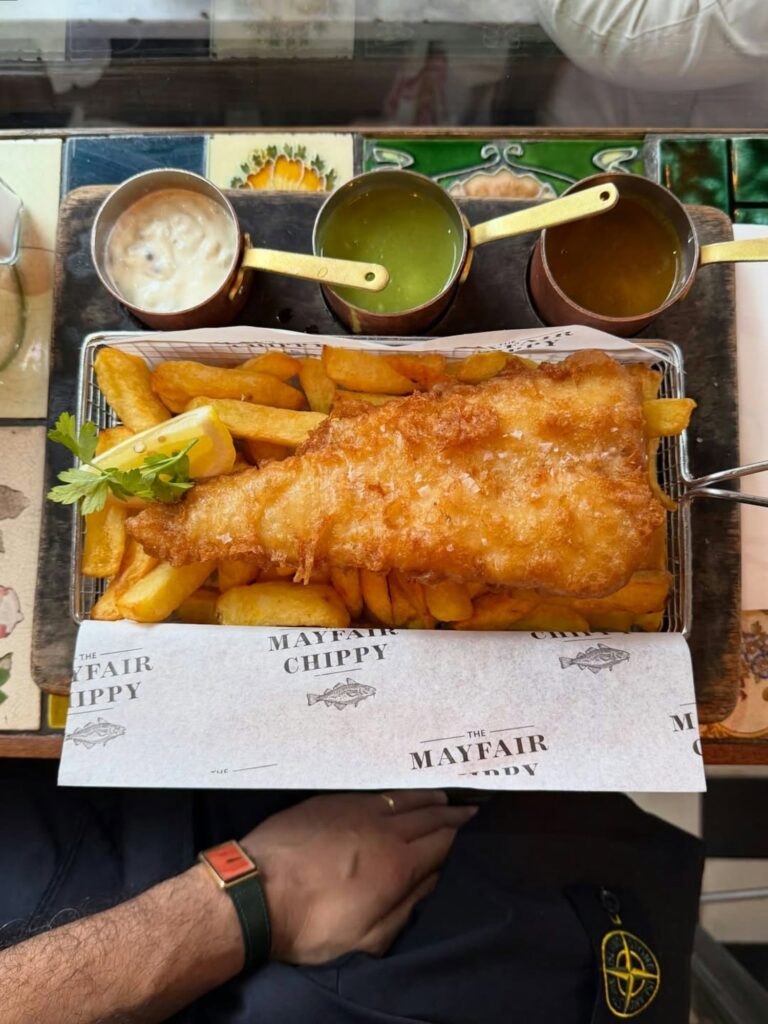
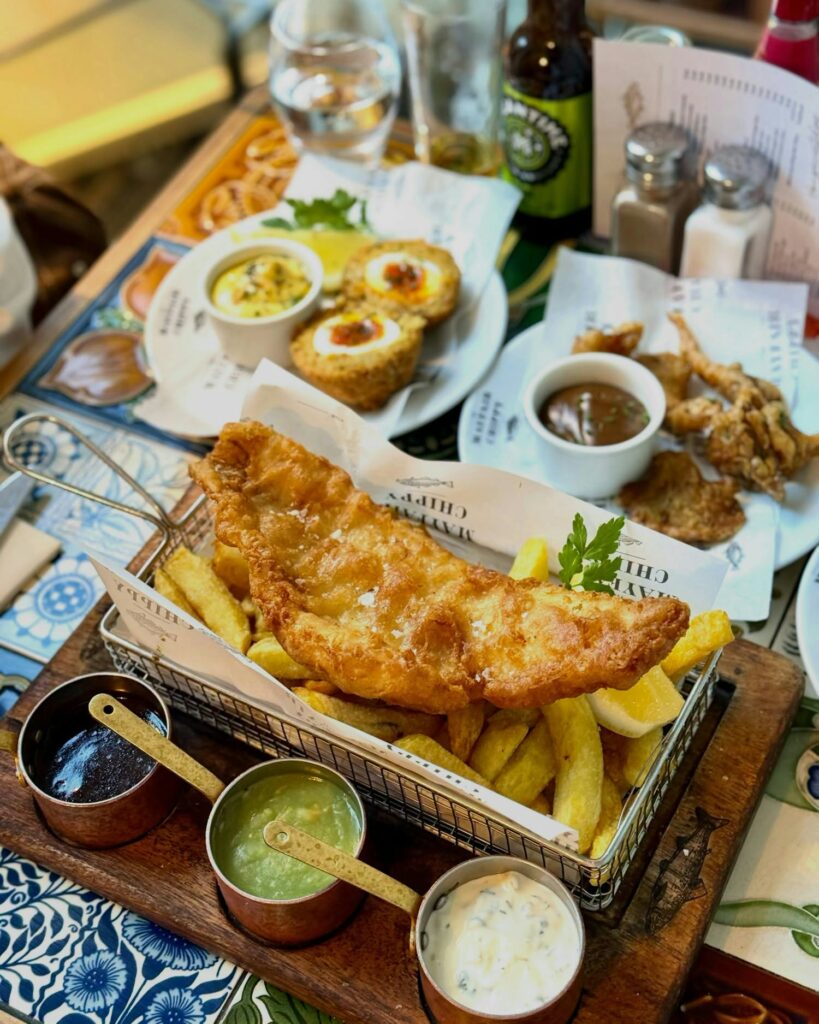
That issue came up recently when an influencer questioned paying £26 for the Mayfair Classic despite praising the food itself. “He got an 8-10oz piece of haddock, chips, mushy peas, homemade tartare sauce, homemade curry sauce, and all of a good quality, in Mayfair, and he thought that was super expensive. Our response was that across the two restaurants we employ more than 120 people. The cost of rent, fish, potatoes and everything else has gone up. We’re creating jobs and livelihoods, and we’re just about washing our faces on some of these dishes. Even influencers need educating about the realities of running a hospitality business. To them it’s a hobby, to us it’s our livelihood.”
The restaurant’s signature Mayfair Classic remains its biggest seller, accounting for around 80% of food sales despite an increasingly varied menu.
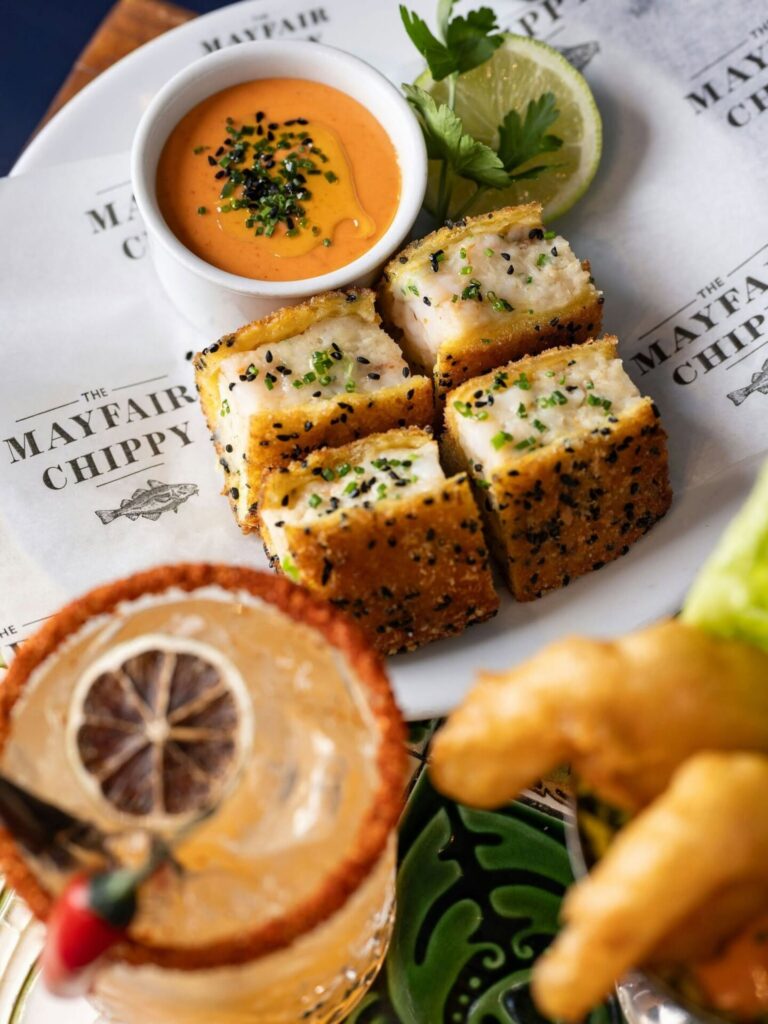
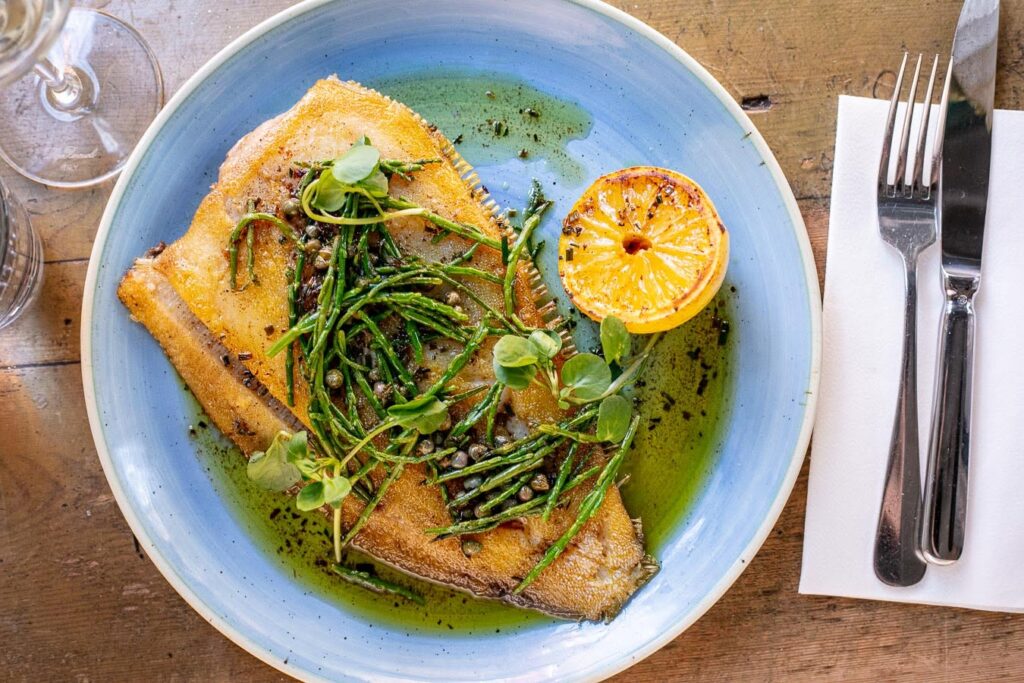
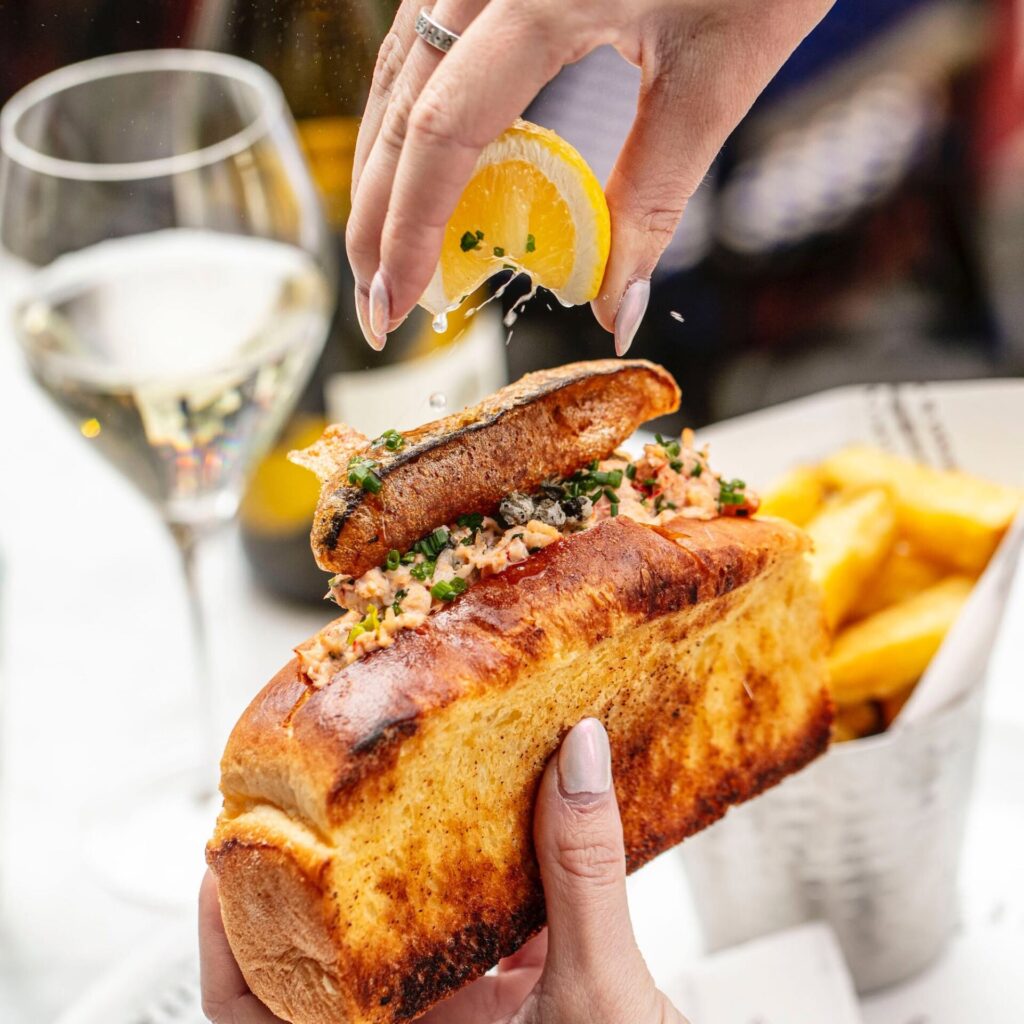
Alongside traditional fish and chips are grilled whole fish sold at market price, including plaice, lemon sole, turbot and whole sea bass, served with sauces such as lemon and caper butter. Customers can also choose oysters, lobster rolls, crab burgers and more unusual additions including deep fried oyster mushrooms with truffle mayonnaise, prawn toast and coronation chicken fritters.
“We’ve got one AA Rosette at both sites so while we’re still focused on fish and chips, we like doing interesting things alongside it,” says Peter.
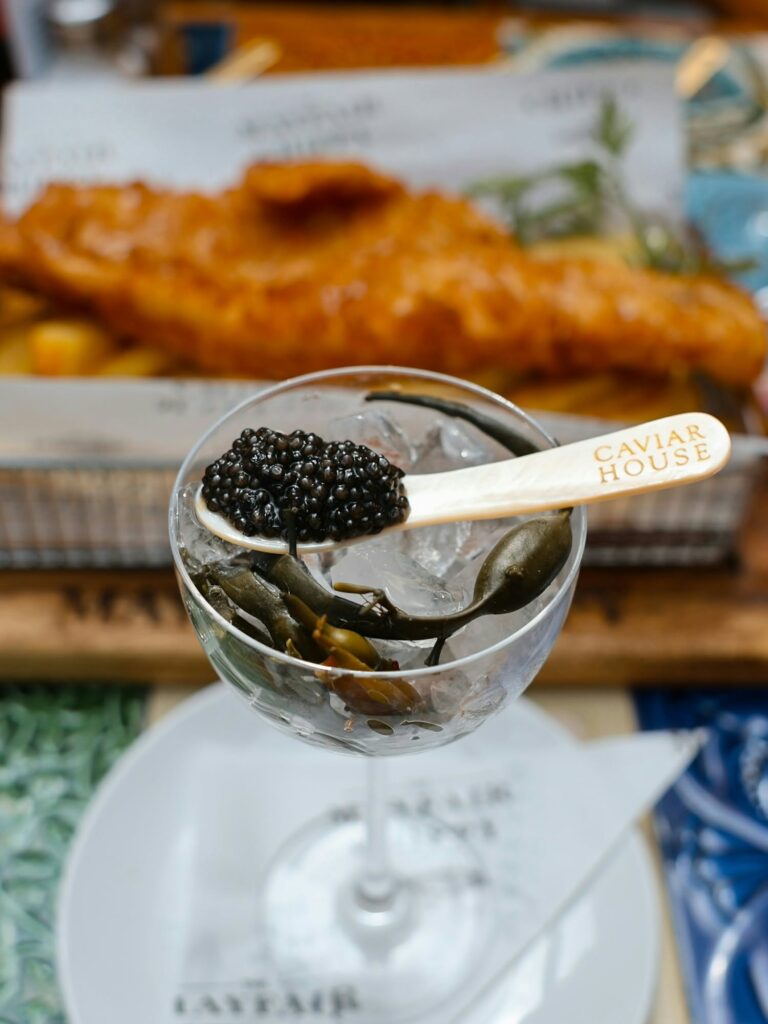
Some additions are designed to generate interest as much as sales. Last year the business introduced the option of adding a 5g spoon of caviar to fish and chips for an additional £15.95. “It’s good for collaborations and PR,” says Peter.
Despite its premium positioning, The Mayfair Chippy still embraces some traditional touches. Customers can still ask for free scraps, while Black Jacks and Fruit Salads are handed out with the bill.
Changing dietary habits
The menu has also evolved to cater for changing dietary habits. Vegan dishes, including tofu and halloumi, account for around 10% of sales. “You’ve got to have something for everyone,” Peter says. “We don’t sell huge amounts of vegan food, but it’s important that it’s there.”
Gluten free dishes, however, have become a much larger part of the business. “We sell a lot of gluten free food, I’d say about 20% of sales now. We’ve developed a really good gluten free batter and we’re actually thinking about going fully gluten free. I don’t think it’s all people with allergies though, a lot of people just feel it’s better for their diet.”
Like many hospitality businesses, The Mayfair Chippy continues to face rising costs across the board and so the business reviews ingredient prices every week in an effort to absorb increases wherever possible. “Every week my executive chef Santos and I review everything. We had a 5% price increase in January, and we’ll probably have to review prices again in the autumn. The last thing we want to do is pass costs on to customers, so we’re always looking at where we can save elsewhere.”
The company is also lending its support to industry efforts to reduce VAT on hospitality. Throughout July, customers visiting on Tuesdays can receive 10% off their food bill by signing Tom Kerridge’s VATsTheProblem campaign petition as part of the restaurant’s “10 for 10” initiative.
“I’d love to see VAT come down to 10%,” Peter says. “That would make a huge difference to hospitality businesses. It would allow restaurants to invest, create more jobs and open more sites. At the moment it feels like we’ve got a rope around our necks.”
Despite current pressures, expansion remains firmly on the agenda, with The Mayfair Chippy preparing to open four restaurants in Saudi Arabia over the next eight years, beginning in Riyadh, although tensions in the Middle East have delayed the first launch until later this year. Discussions are also under way for opportunities in the UAE and wider Gulf region.
Back in London, Peter remains optimistic. Trade has fallen slightly compared with last year, but the business continues to benefit from strong central London footfall and expects a seasonal uplift through the summer before another busy spell in November and December. “It’s still a great industry,” he says. “You’ve just got to keep evolving, reacting to what’s happening in the world and being creative.”
Recent Posts
- World Cup lifts pubs but restaurant sales dip in flat June for hospitality


- Takeaways and restaurants excluded from business rates cut

- Two chippies win one-to-one support from Frymax
- Bellingham and Rogers mural gives Birmingham chip shop a 30% boost to trade

- Fast food footfall falls as chicken continues to gain ground