An Environmental Health Officer (EHO) can carry out an inspection at any time, so preparation should be an everyday priority rather than a last-minute exercise
Consistently maintaining high standards not only improves your chances of achieving a 5 star Food Hygiene Rating but also builds customer confidence, protects your reputation and, most importantly, keeps diners safe.
The key to a successful inspection is having robust food safety systems in place and embedding a strong food safety culture throughout the business. Every member of staff should understand their role in maintaining standards because an EHO may speak to anyone on site during an inspection, not just the owner or manager.
Demonstrate safe food handling
Food handling is one of the main areas an EHO will assess, with inspectors following food from delivery and storage through to preparation, cooking and service.
Raw meat should always be stored separately from ready-to-eat foods such as fruit and vegetables to prevent cross-contamination. Chilled foods must be kept below 5°C, while cooked food should reach a core temperature of at least 75°C before being served. Where hot food needs to be cooled, this should be completed within 90 minutes using methods such as shallow trays or blast chillers.

Having clear procedures is one thing, but ensuring they are followed consistently every day is what inspectors are looking for.
Keep premises clean and well maintained
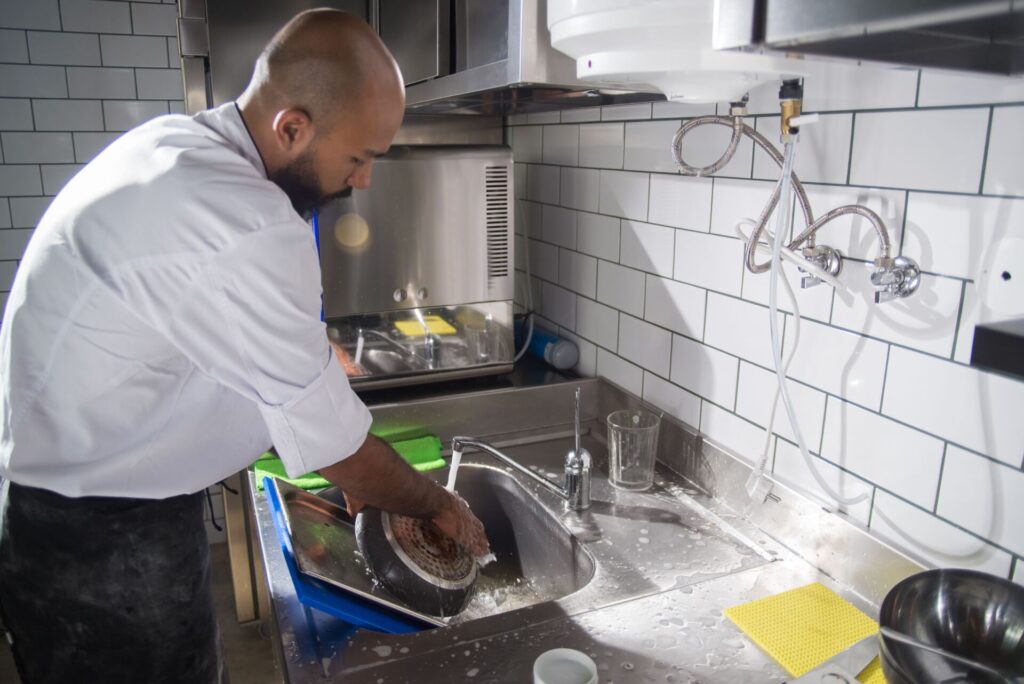
The condition and cleanliness of your premises play a significant role in your overall rating. EHOs will assess whether your kitchen is clean, well organised and suitable for safe food preparation.
Handwashing facilities should always be fully stocked with hot and cold running water, soap and disposable towels. Floors, walls and food contact surfaces should be cleaned regularly, while ventilation systems should be maintained and kept free from obstructions. Effective pest control arrangements should also be in place, with regular inspections forming part of your routine maintenance programme.
A clean, well-maintained kitchen demonstrates that food safety is being managed proactively rather than reactively.
Make sure your paperwork supports your practices
Good food safety management relies on good record keeping. Even if standards are excellent, failing to provide documented evidence can affect your hygiene rating.
Your HACCP-based food safety management system should always be available on site, along with up-to-date temperature records showing that food is stored and cooked safely. Food should be clearly labelled with production and use-by dates, and expired products should be disposed of immediately.
Cleaning schedules should show what has been cleaned, when and by whom, while allergen information must be accurate and clearly communicated to customers through menus or other appropriate means.
Remember, your hygiene rating reflects what the EHO sees on the day of inspection, so maintaining accurate records consistently is just as important as following the correct procedures.

Ensure your team is inspection ready
An EHO may ask any member of staff questions about food safety procedures, making training essential across the whole team. Employees should understand the basics of food hygiene, know your business’s procedures and feel confident responding to an inspector’s questions. Staff should also know what to do if the manager or owner is not on site when an inspection takes place.
Regular refresher training helps ensure everyone follows the same standards every day, reducing the risk of mistakes during an inspection.
Work with the inspector
If issues are identified during an inspection, honesty and professionalism are essential. And never attempt to conceal problems or provide misleading information, as this can make matters significantly worse and could result in enforcement action. Likewise, avoid becoming argumentative or confrontational. EHOs are there to ensure food served to the public is safe, and any recommendations they make are intended to help improve standards and protect both customers and businesses.
If your rating falls short of expectations, improvements can be made and, in many cases, you can apply to your local authority for a re-inspection, often for a small fee. Many councils also offer guidance, training and support to help businesses achieve and maintain the highest standards.
Ultimately, achieving a top hygiene rating is about consistency. Businesses that build food safety into their daily routines, maintain accurate records and invest in staff training will be well prepared whenever an EHO calls.
Understanding the Food Hygiene Rating Scheme
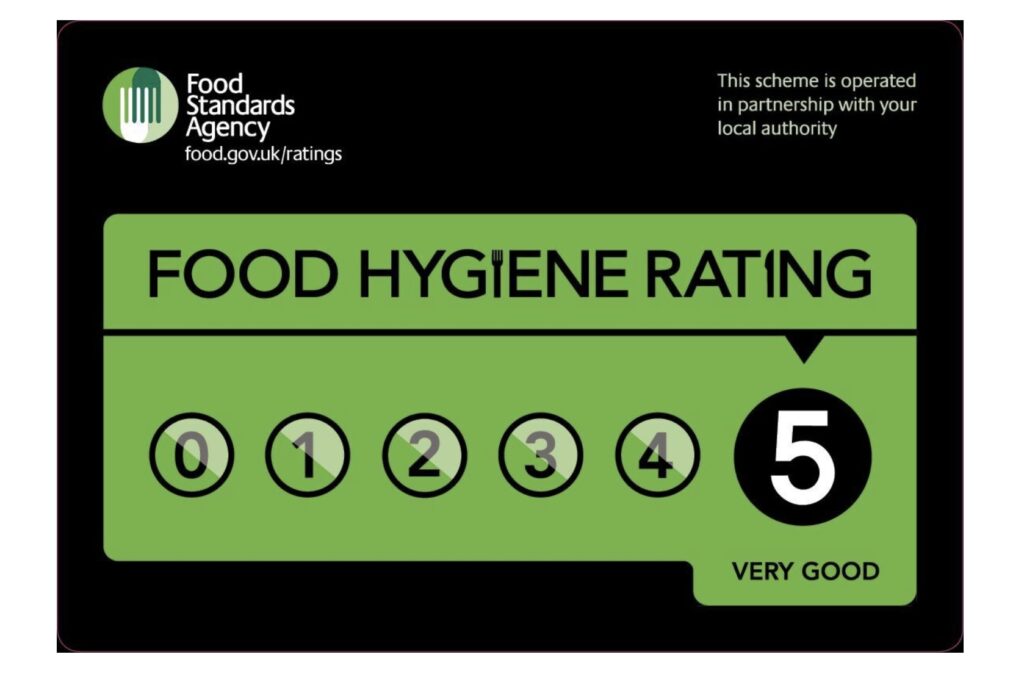
The Food Hygiene Rating Scheme, operated by local authorities, rates food businesses on their hygiene standards at the time of inspection. Understanding how the scheme works helps businesses identify where improvements may be needed and what is required to achieve the highest rating.
- 5 – Very good
- 4 – Good
- 3 – Generally satisfactory
- 2 – Improvement necessary
- 1 – Major improvement necessary
- 0 – Urgent improvement necessary
A 5 star rating demonstrates that a business is maintaining excellent food hygiene standards, while lower ratings highlight areas requiring improvement before the next inspection or a requested re-rating visit.
Recent Posts
- World Cup lifts pubs but restaurant sales dip in flat June for hospitality


- Takeaways and restaurants excluded from business rates cut

- Two chippies win one-to-one support from Frymax
- Bellingham and Rogers mural gives Birmingham chip shop a 30% boost to trade

- Fast food footfall falls as chicken continues to gain ground