The burger market continues to grow, driven by premiumisation, local sourcing and high quality ingredients
It wasn’t that long ago that questions were being asked about whether the burger market had reached its peak. Not so, it seems. In the UK, the market is projected to reach £11.2 billion by 2034, expanding from £5.9 billion in 2025 with year-on-year growth estimated at 7.5%, according to research by HTF Market Intelligence.
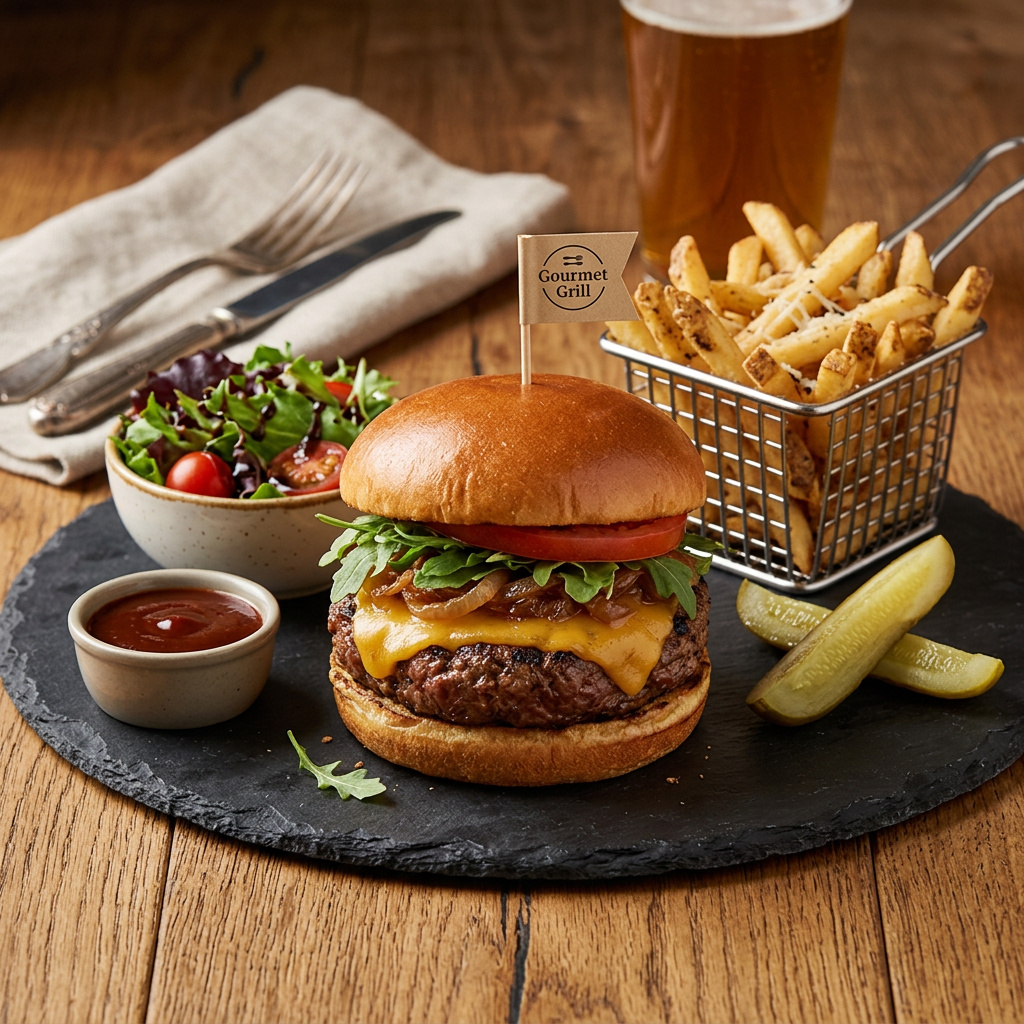
For fish and chip shop owners, burgers continue to hold significant value, offering a versatile and widely appealing product that appeals to a broad demographic. Growth is being driven by clear consumer trends, notably premiumisation, as diners increasingly seek out gourmet burgers made with high quality ingredients, unique flavour combinations and more artisanal methods of preparation. Alongside this sits a growing focus on local sourcing and sustainability, with customers paying closer attention to provenance and ethical considerations.
Premiumisation
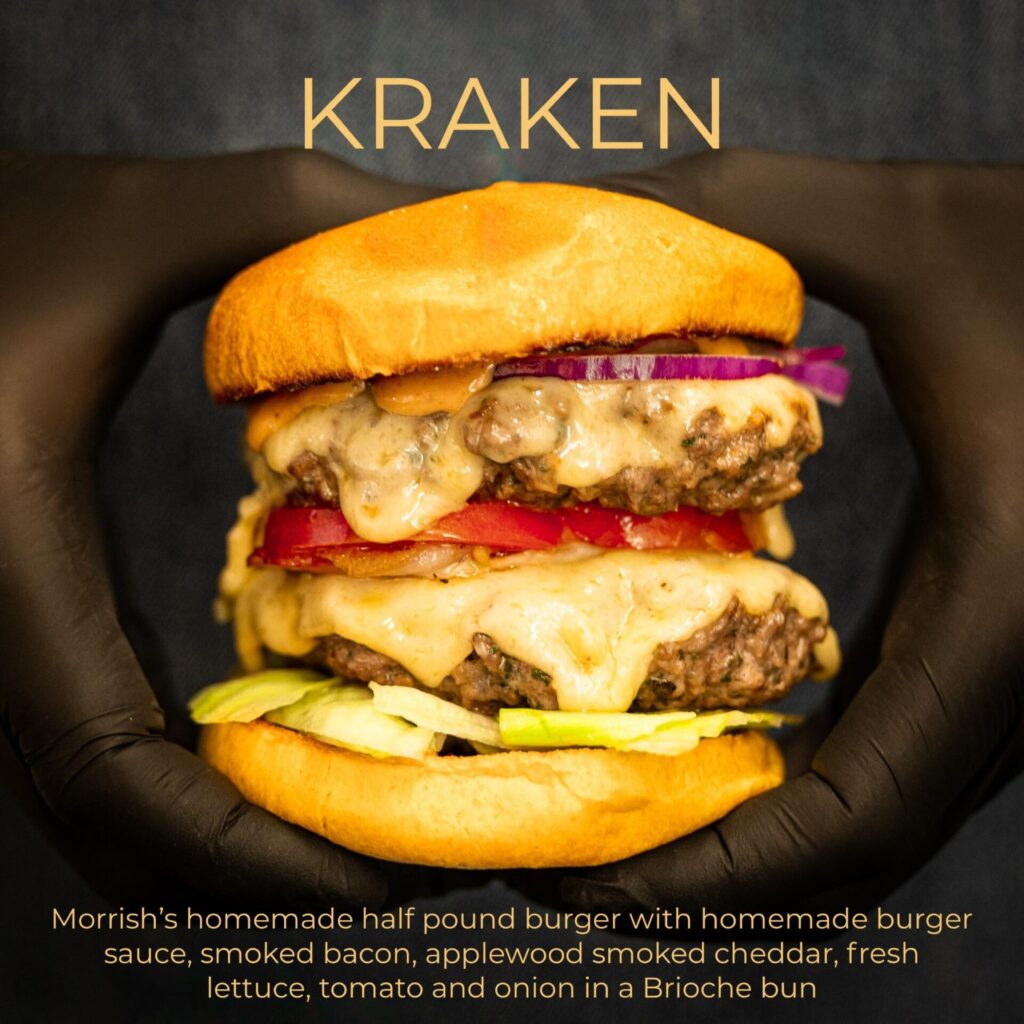
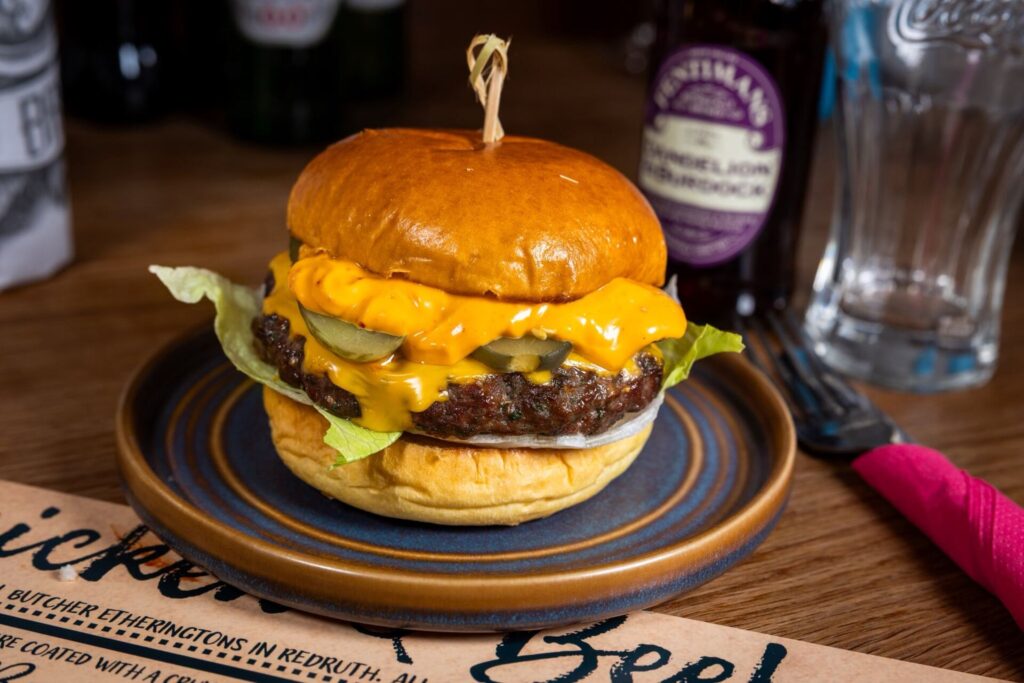
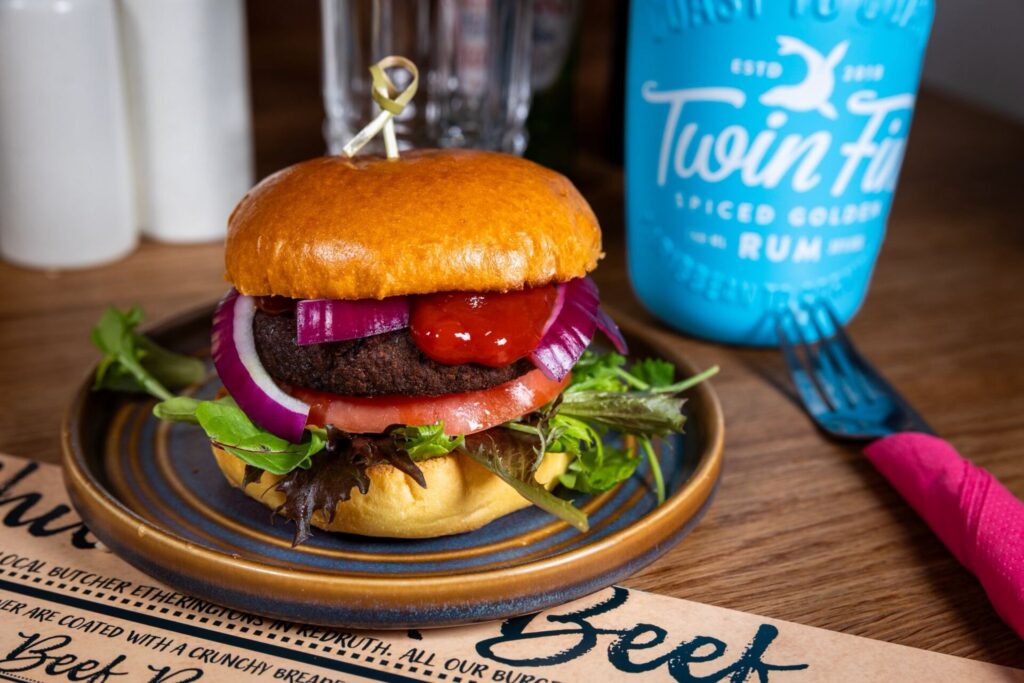
These are trends that independent fish and chip shops are well placed to tap into, and some operators are already doing just that. Morrish’s Fish Restaurant in Redruth, Cornwall, introduced a homemade burger, which they called the Kraken, two years ago utilising mince from a local butcher just five miles away. The menu now includes an array of burgers that also utilise homemade sauces. Owner Ryan Morrish explains: “We were doing a frozen burger but I really wanted to offer the customer something that had a more premium feel and was in keeping with what we like to think our brand is, which is a more premium experience in our restaurant and on the takeaway.
“There’s a healthy mix of the people that want a cheaper burger, so we still offer the frozen products, but now there’s a premium, homemade burger for those that are also conscious about where it comes from.”
Ryan buys in eight kilograms of mince every fortnight, forming patties the same day before freezing them and defrosting as needed for service. While it adds time to the weekly routine, the returns are clear. “It takes a little bit extra time out of my week, but for the initial investment in time, there’s definitely a consistent return. Sales are always increasing, especially as fish is getting more expensive, people are looking elsewhere to fill that gap.”
A similar shift towards premium burgers has taken place at Krispies Fish & Chips in Exmouth, Devon, after it started sourcing burgers from a nearby farm shop. Owner Kelly Barnes says: “We’ve bought butchers burgers for about seven years, but then we moved to a Darts Farm burger around the middle of last year. It’s a premium butchers burger and we just felt like this was the next level up. Plus, Darts Farm is really well-known and respected around here as it’s literally 20 minutes away. We probably go through about 400 a week, if not more in the summer.”

Supplier solutions
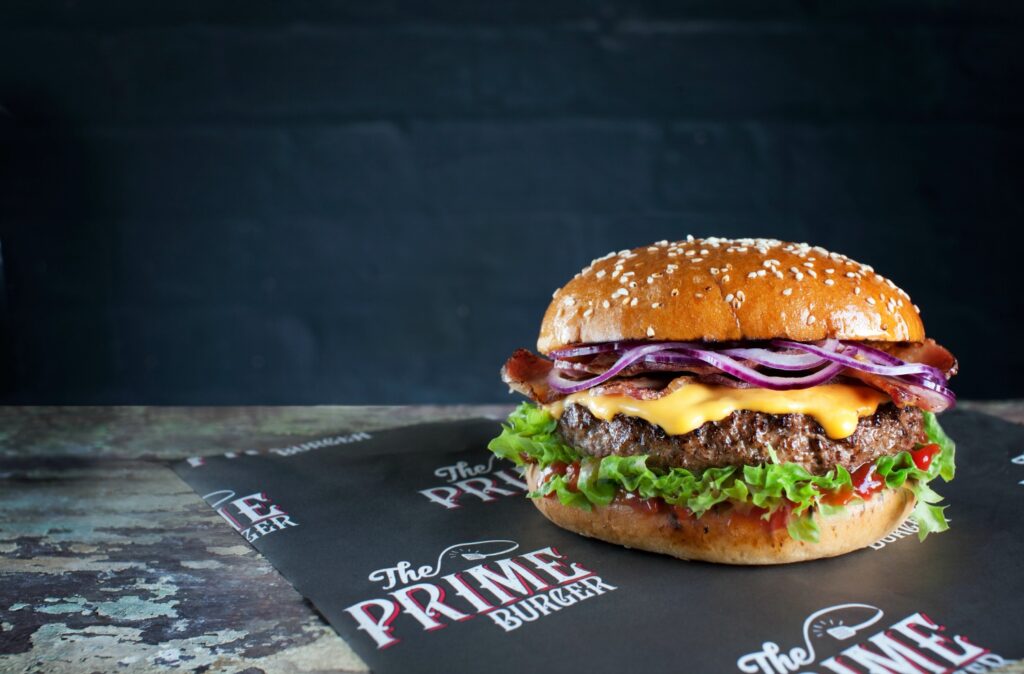
For operators without the time or resources to make burgers in-house, supplier solutions offer a practical route into the category. Products such as Big Al’s Prime Burger are designed to balance quality and convenience, made with 100% Irish beef to deliver a strong, beef-led flavour alongside consistent results. Cooking straight from frozen in just over seven minutes, they help operators maintain pace during busy service periods.
There is also a clear margin opportunity. With consistent portion control and predictable build costs, such products can deliver dependable profit per serve while minimising waste, helping operators protect margins. Paul O’Hare, head of the IFO channel for the UK & EU at Kepak Foods Division, which supplies Big Al’s, comments: “For today’s fish and chip shops, burgers aren’t about replacing tradition – they’re about strengthening it. By adding well-executed, high quality burger options such as the Big Al’s range, operators can broaden their appeal, increase spend per visit, and build a more resilient, future-proof menu.”
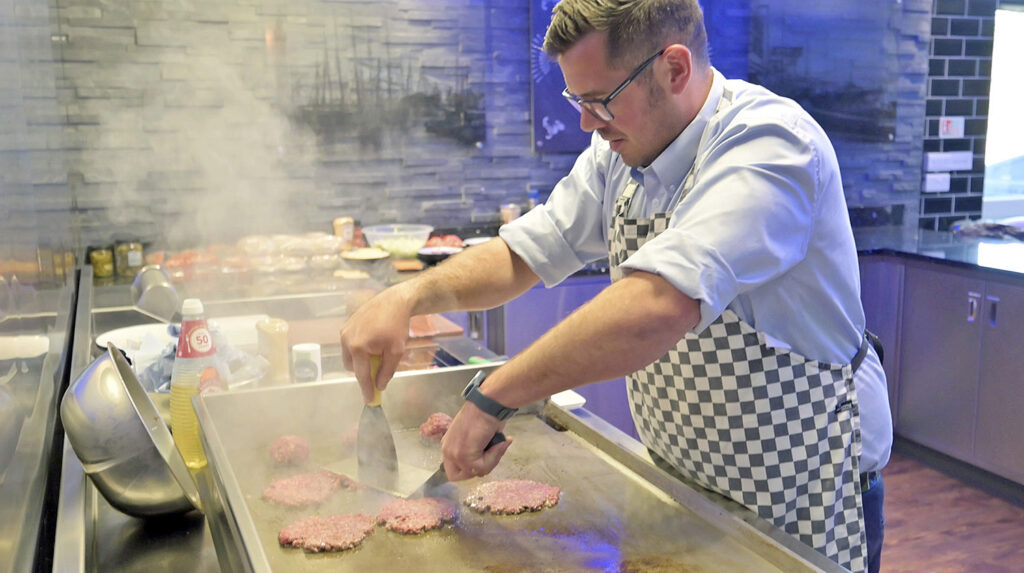
Whilst recognising that the familiar quarter-pounder still has its place on menus, wholesaler JJ Foodservice says its seeing two formats doing the heavy lifting on menus right now: the smashed burger, with its rustic, lacy-edged crust, and the loaded burger, piled high with toppings and finished with sauce.
Sezer Ozkul, chief product officer at JJ Foodservice, says: “We’ve seen a clear lift in demand for cheesy sauces from our supplier partners, used liberally on loaded burgers and as a finish for loaded fries. Creative sides and toppings – jalapeños, slaws, smoked condiments and chilli oils – are also driving repeat visits, with operators looking to make their burger build their own.”
JJ Foodservice offers everything from the burger and bun to sauces and sides, with many lines included in its Mix More Save More range, where selecting 20 or more products unlocks instant discounts across every item.
Equipment
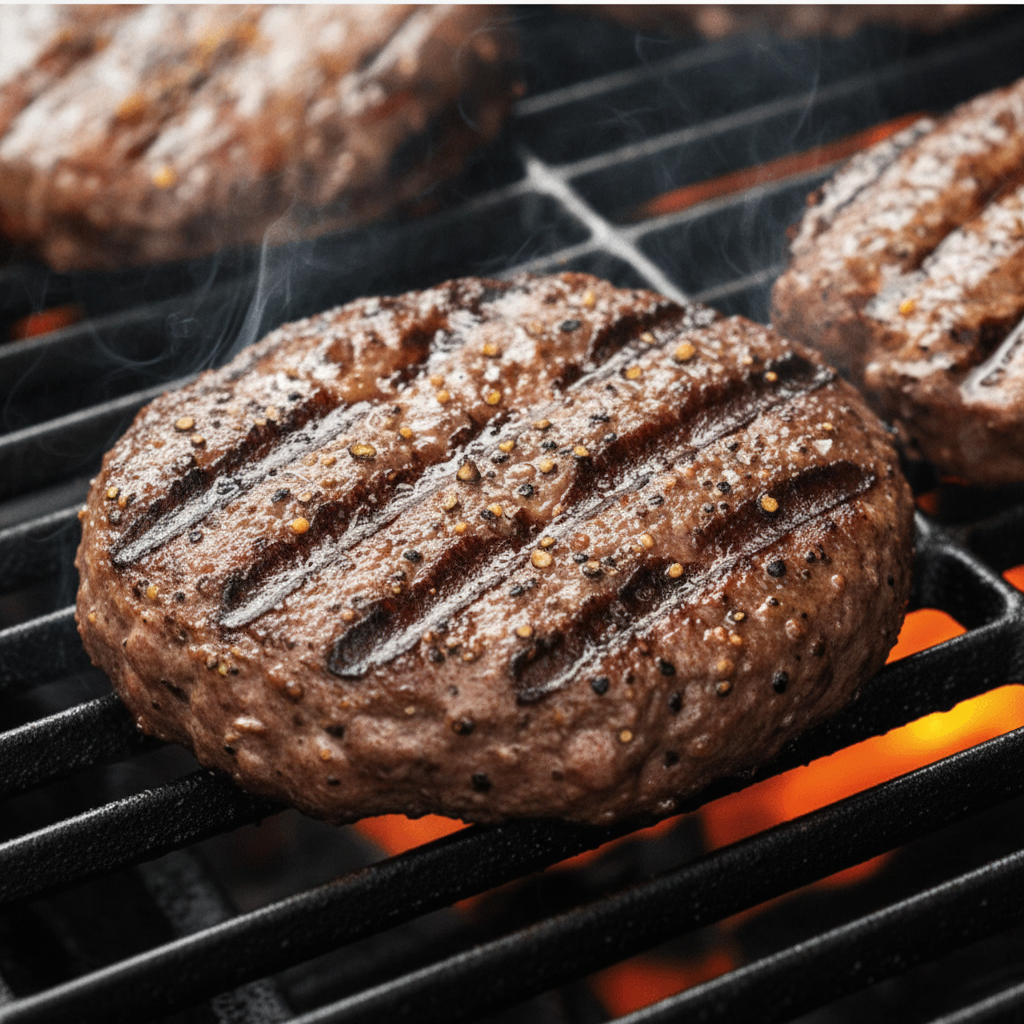
Serving a premium quality burger goes beyond ingredients, with equipment such as grill and griddles, playing an increasingly important role. Tanya Henderson, managing director at range supplier KFE, says: “Burgers are one of the easiest and most profitable ways to extend a menu. Done properly, with quality ingredients and the right equipment, they can command prices upwards of £10, delivering strong margins.”
She highlights the Adieu grill, a Swiss-made unit built from high quality cast iron, which can be integrated into a Kiremko frying range or used as a standalone solution. “The Adieu grill requires up to 85% less oil than conventional grills, resulting in healthier cooking and a higher quality burger. It also operates effectively at lower temperatures – around 220°C instead of the typical 250°C – reducing energy consumption and running costs.”
Automation is also shaping the category, particularly in high volume environments. Alistair Farquhar, director of key accounts for UK & Ireland at equipment supplier Welbilt, points to the growing demand in high volume fish and chip shops where labour is tight and staff turnover is high for technology that removes the need for someone to stand over a grill flipping burgers. “They want a system where they place the product, press a button and walk away until the grill alerts them.”
Clamshell grills are one solution gaining in popularity. “In our own portfolio, the Garland Xpress Grill is a good example of where the industry is heading,” adds Alistair. “It is fully automatic, programmable and designed for speed, but what the real value operators highlight is consistency. If you are running multiple sites, you want a burger or chicken fillet to look and taste the same whether it is coming out of store one or store 100.”
Beyond the frying range, presentation and promotion are equally important in driving burgers sales. At Morrish’s Fish Restaurant, leveraging digital technology utilising photographs Ryan has taken himself have helped enhance visibility. Ryan explains: “We’ve got four monitors behind the takeaway, two self service kiosks and a 60 inch monitor for the whole menu as well. We have those photos flicking through every five seconds or so and they are on the self service kiosks too at the bottom which is really eye-catching.”
Menu development is another area Ryan is focusing on to keep the offering fresh, maintain customer interest and encourage repeat visits. “I changed the burger menu to what it is now around December, so I’ll probably hold off until the end of summer, before I change them again. The problem is that there’s so many places to eat now, so you’ve really got to fight for the market share.”
Recent Posts
- World Cup lifts pubs but restaurant sales dip in flat June for hospitality


- Takeaways and restaurants excluded from business rates cut
- Two chippies win one-to-one support from Frymax
- Bellingham and Rogers mural gives Birmingham chip shop a 30% boost to trade

- Fast food footfall falls as chicken continues to gain ground