In a bid to open customers’ minds to alternative species, three popular Cornish chippies took cod off the menu for a week, but did it have the desired effect?
Fourteen years ago, Pete Fraser decided to take cod off the menu for a week at his restaurant and takeaway, Harbour Lights, in Falmouth, Cornwall. It was unheard of at the time and was considered a brave move in a region where cod dominated. “It was never about saying cod is unsustainable,” Pete is keen to make clear. “The message was simply about getting people in Britain to be a bit braver. There are so many different species of fish out there. It was me saying, come on, be more like our friends overseas and enjoy the variety, rather than sticking rigidly to cod, haddock, tuna, prawns and salmon.”

That original initiative, staged during a quiet week in November, was deliberately low risk and allowed Pete to test both customer reaction and operational feasibility without impacting peak-season trade. More than a decade on, Pete felt the time was right to repeat the initiative, also prompted by the sharp rise in the price of cod, which was placing pressure on margins.
“I don’t like being held to ransom,” says Pete. “The price of cod, for reasons completely outside a fish and chip shop owner’s control, has just gone to a level that doesn’t make sense and there is a maximum price that customers will pay for fish and chips.”
He points to a stark comparison with boxes of cod that cost around £160 two years ago now closer to £330. “You can’t just keep pushing prices up and expect customers to follow indefinitely,” he adds. “At some point, you either lose margin or lose customers. Relying solely on cod as your main product is becoming increasingly difficult if you want to run a sustainable business.”
So, from 20th-26th April, Pete repeated the cod-free week across all three of his sites: Harbour Lights and his two additional takeaways, Frasers in Penzance and Helston. Unlike the first trial, this was not confined to the slowest trading period. “To run it at the start of the season was definitely a risk, but it felt like the right time to revisit the idea,” he says.
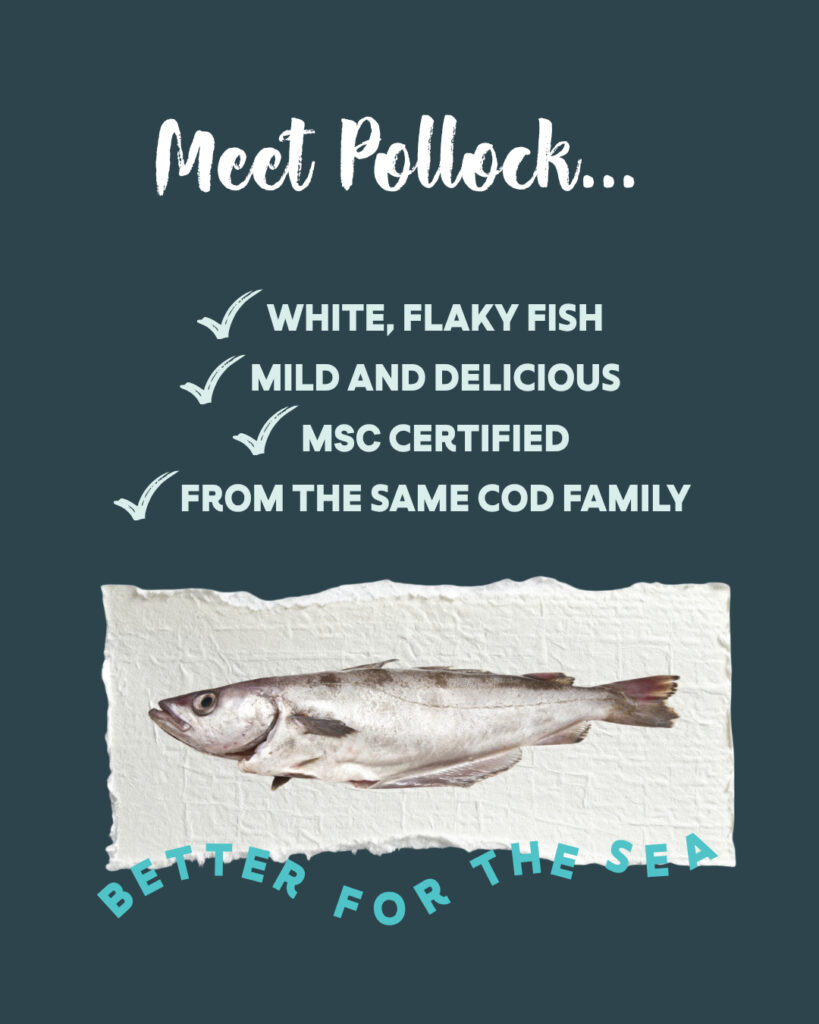
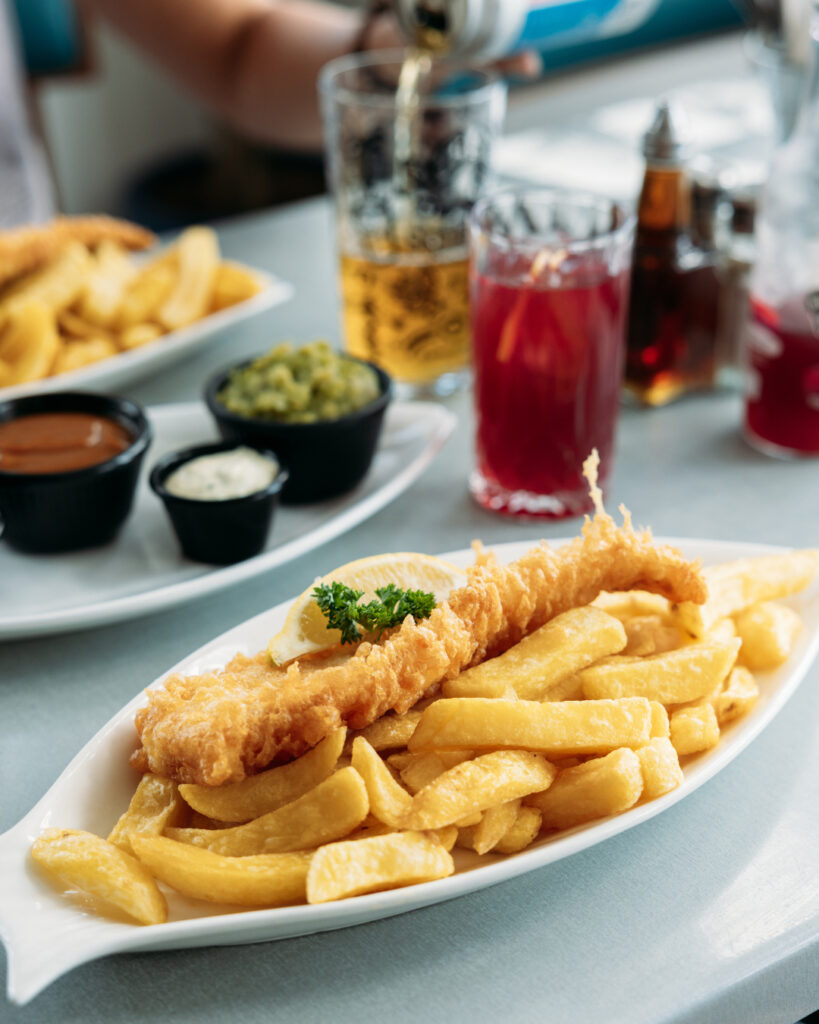
In cod’s place, pollock featured at Frasers and coley at Harbour Lights – both frozen at sea and MSC certified, ticking the box for sustainability and supply. At around £190 per box, they provided a significant cost advantage too.
“They’re both lovely fish,” he says. “In their raw state, they might look slightly greyer than cod, but once cooked, they’re very similar – white, flaky and very appealing. In a blind taste test, especially in batter, most people would struggle to tell the difference but a lot of it comes down to perception.”

Alongside these species were local options such as Cornish hake and megrim sole, rebranded as Cornish sole to make it more accessible to customers. The broader aim was to demonstrate that viable, high quality alternatives already exist, particularly in regions like Cornwall, where a wide variety of species are landed. “There are more than 50 different types of fish coming into Newlyn. The majority get exported because Brits won’t eat them. Not all are suitable for fish and chips, but quite a few are. It’s about gently encouraging people to try something different.”
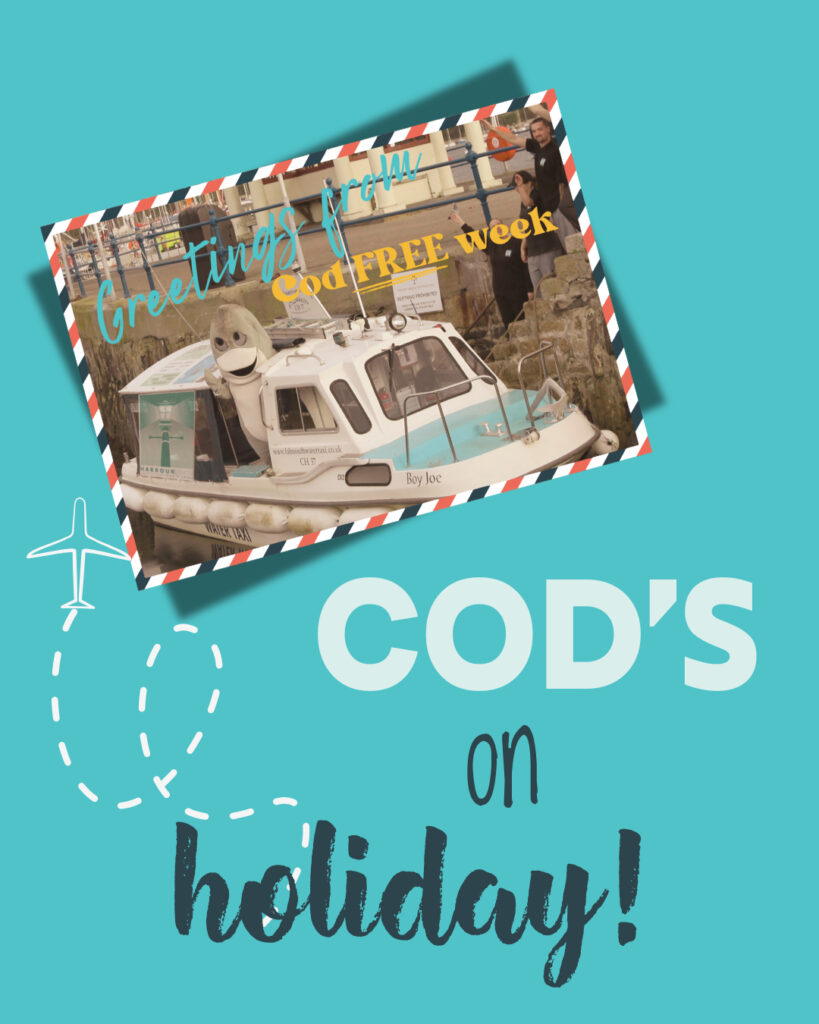
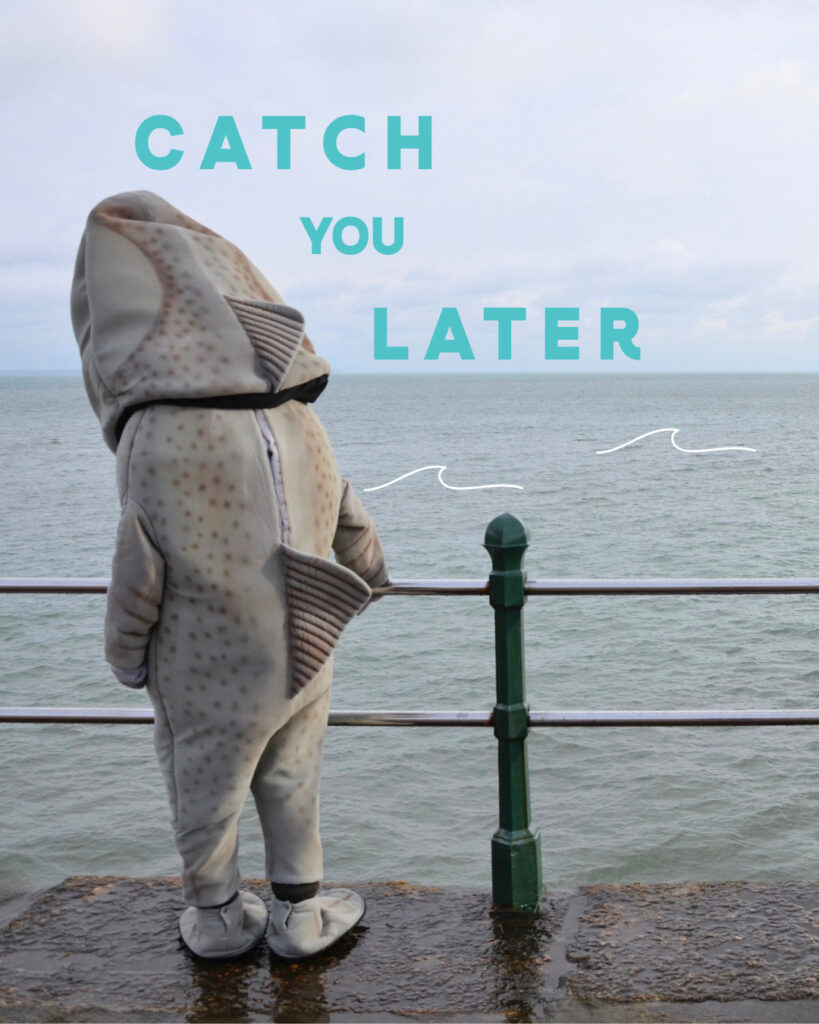
Customer communication played a key role in the campaign, with Pete opting for a fun approach. Cod was presented as “going on holiday,” complete with social media videos showing it being waved off on a boat for the week “Everyone deserves a holiday, right?” says Pete. “We gave customers two weeks’ notice, so it wasn’t a surprise.”
Pricing was another factor used to encourage trial. Portions of coley and pollock were set at £8.50, compared to £10.50 for cod, creating a clear value proposition without undermining quality.
The results suggest that the approach resonated well with customers – at the end of the week, fish remained a core part of sales, accounting for 56% of orders. “Fish sales held up and, importantly, customers did not simply switch to alternative menu items such as sausages or chicken. There were, inevitably, some losses with a small number of customers saying ‘if you’re not selling cod, I’m off,’ but hopefully they will come back now it’s been reinstated.”
More encouraging, however, was the level of positive feedback. “We’ve had people asking us to keep the alternatives on permanently,” he says. “There’s been a lot of encouragement, which suggests we’ve started to shift perceptions, even if only slightly.”
The initiative also attracted media attention, with coverage from local radio and regional television helping amplify the message and, Pete hopes, encourage more shops and customers to give alternatives a try.
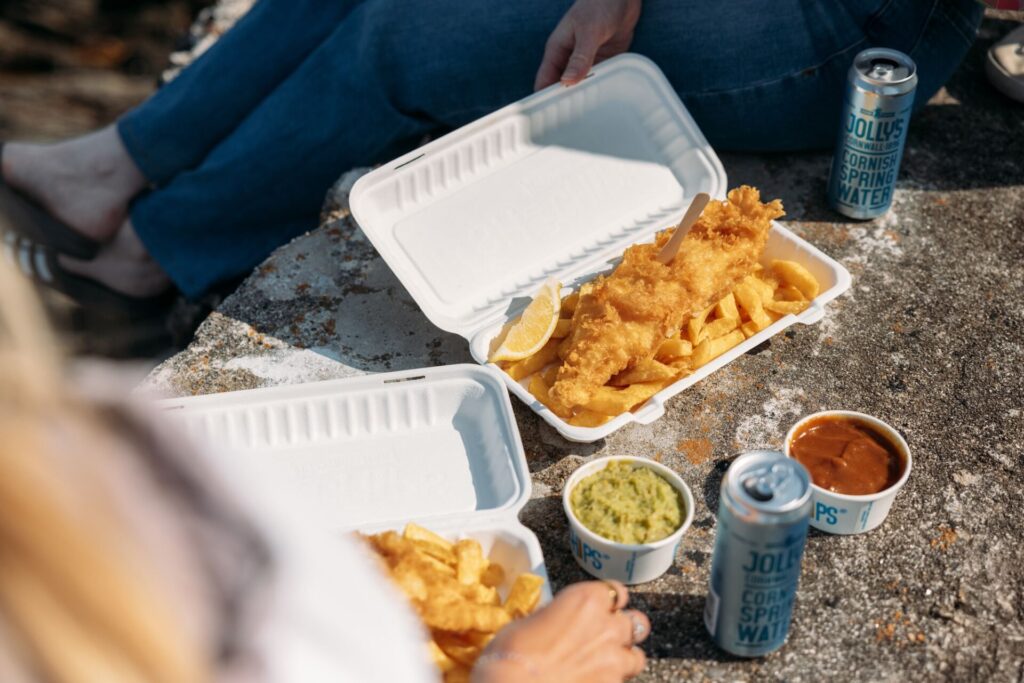
For Pete, part of the answer lies in ensuring that menus cater not only to local customers who provide year-round trade. “In a seasonal area, looking after your locals is crucial,” he says. “Tourists might splash the cash in the summer, but it’s the locals who keep you going through the winter. You need to have a product at a price point they can afford all year round.”
Diversification is not just about species however, it also extends to menu options, and at Harbour Lights, Pete has introduced initiatives such as a lighter appetite menu and even a fish and chip-themed afternoon tea.
The latter, developed with input from younger team members, reimagines traditional afternoon tea with savoury elements. “It’s scones, fish, calamari, chips, all served on tiered stands,” he explains. “It looks great, but it does need to be pre-booked. It’s just a bit of fun, really.”
Meanwhile, the lighter appetite menu is designed with older customers in mind. “Fish and chips are still very popular with what you might call the ‘grey pound,’ but appetites can be smaller,” Pete says. “If you give someone too much food, they can feel obliged to finish it, which can turn the experience into a negative one.”
Training staff to recognise these needs is part of the approach. “It’s about knowing your customer,” he adds. “They still want fish and chips, but they don’t want an overwhelming portion.”
Looking ahead, Pete hopes other shops have the confidence to follow suit and trial other species, adding: “Have some fun with it. Start small, offer samples, even if it’s a 15g bite-sized portion of coley in batter. Let people try it without committing to a full meal. Once they realise it’s good, the barrier starts to come down, and then when you tell them it’s a third of the price of cod, they take notice.”
With cod now back on the menu alongside coley and pollock, the longer-term question is whether customers will stick with their new habits or revert to familiar choices. For Pete, even a partial shift would represent progress. “We were forced into this position in some ways, but rather than resist it, it makes sense to embrace it. If we can get people to be just a little bit more open-minded, that’s a step in the right direction.”
Recent Posts
- World Cup lifts pubs but restaurant sales dip in flat June for hospitality


- Takeaways and restaurants excluded from business rates cut
- Two chippies win one-to-one support from Frymax

- Bellingham and Rogers mural gives Birmingham chip shop a 30% boost to trade

- Fast food footfall falls as chicken continues to gain ground