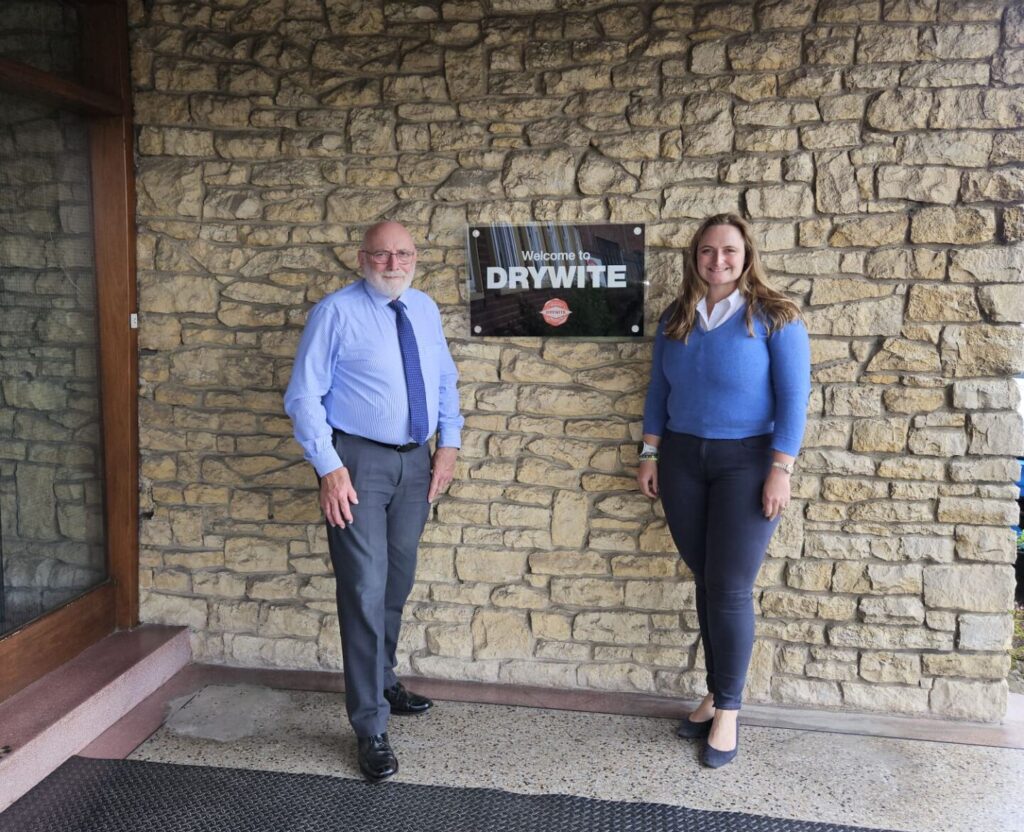
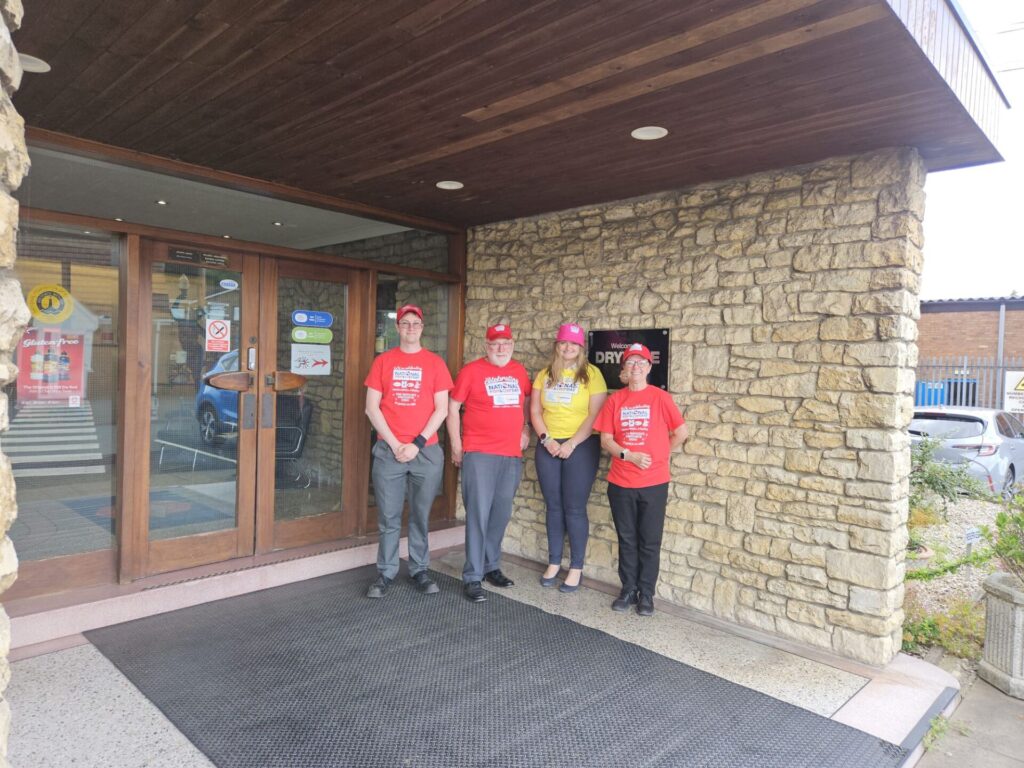
After a decade working in agricultural sales, Saffie Dowty has joined Drywite as sales director, becoming the fourth generation of her family to take a leadership role in the 93-year-old Halesowen business. She spoke to us about growing up around the business, why now was the right time to join, and her plans for the future

You joined Drywite in June, but what were you doing before?
I’ve spent the last 10 years as a sales account manager for a fertiliser company, covering a large territory from Anglesey across to Grimsby, as well as the Midlands and the North West. It’s quite a change, but sales has always been at the heart of what I’ve done.
You grew up around the business, what are some of your earliest memories of Drywite?
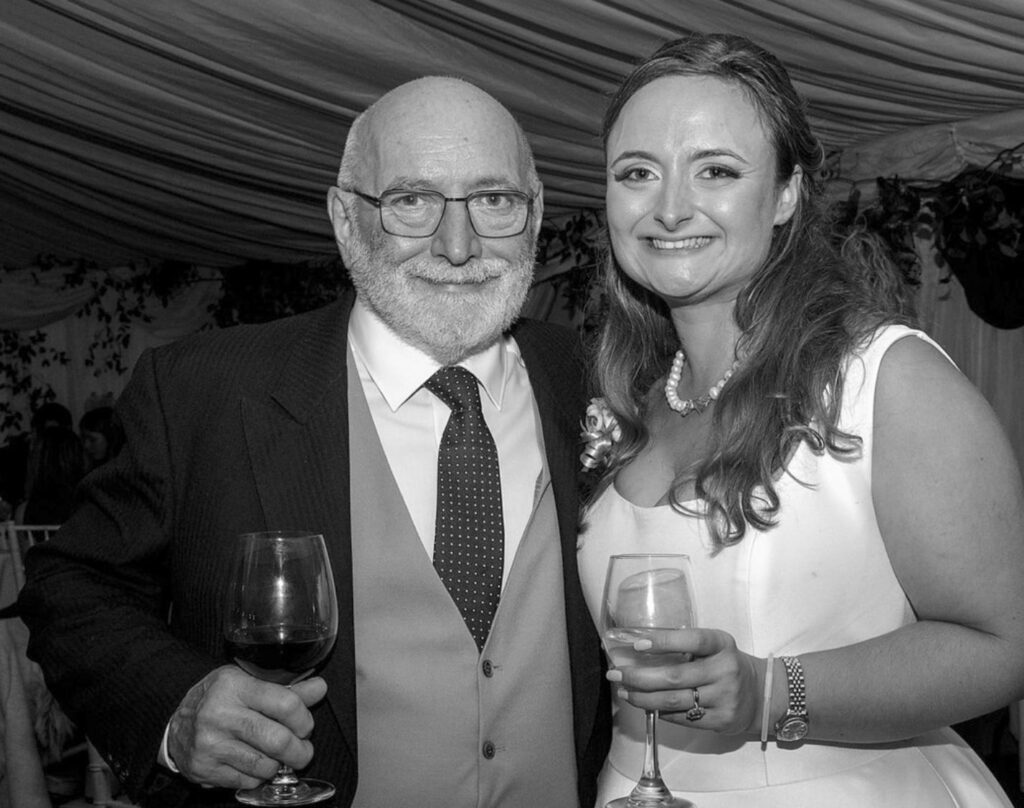
I’ve been coming here since a baby. My mum used to drop me off with my dad, so I’d be sitting in my carrycot on the floor of his office. As I got older, I’d wander into the admin office asking Becky if she had any nice pens, and I used to take all of my dad’s old business cards, scribble his name out and write my own on them. It’s quite funny looking back because now I’ve actually got my own business cards! Some families don’t talk about work when they get home, but we’re the opposite – it’s what we’ve always talked about. We really do live and breathe it as a family, so I can’t really remember a time when I didn’t know about Drywite.
Why didn’t you join the family business straight away?
I wanted to do my own thing first. My dad had never worked anywhere other than the family business, and he was keen for me to gain experience elsewhere before I even thought about working here. To be honest, I never expected to join Drywite. I studied agriculture at university and loved that industry, so this wasn’t really on my radar. Then, earlier this year, everything changed. I was on a sales course with my previous employer and the trainer was talking about always pushing yourself outside your comfort zone. A couple of days later I came home and my dad said he needed a sales director. The timing couldn’t have been more perfect. I handed in my resignation the next morning, phoned my dad and asked if he was serious. He said yes, and that was it. Even though I’ve only been here a short time, it already feels as though I’ve always been here.

What attracted you to the role?
One of the biggest attractions was the opportunity to work internationally. Although my previous employer was an international company, my role focused solely on the UK. Drywite works with customers much further afield, particularly through the food processing side of the business, so that was something I was really excited about.
For readers who know Drywite mainly through fish and chips, what other parts of the business are there?
Alongside the fish and chip side, we have a food processing division, including vegetable processing and fresh produce washing for salads. That’s the part of the business where we work much more internationally, supplying wholesalers across different markets.
What are your priorities over the next six to 12 months?
The priority is to keep doing what we do well while gradually moving the business forward. We’re still quite an old-school business in many ways and rely on a lot of paper-based systems, so there are opportunities to modernise how we work behind the scenes. It’s about progressing into the future without losing what has made Drywite successful over the last 93 years.
How do you balance that heritage with innovation?
I think there’s plenty of room to move forward while still respecting our history. The fish and chip industry, much like farming where I’ve come from, has a traditional customer base. That’s one of its strengths. It’s not about changing who we are – it’s about making the business more efficient and modern behind the scenes while continuing to offer the service and products customers value.
Are there any new products or markets you’re particularly keen to develop?
At the moment my focus is on strengthening what we already do. We have a huge product range, so it’s about making sure we’re doing everything well before looking too far ahead. That doesn’t mean there won’t be new developments in future, but right now it’s about building on strong foundations.
What’s surprised you most since joining Drywite?
Although my role is in sales, I’ve found myself getting involved right across the business. I’m spending time in production looking at ways processes could become more efficient, not just focusing on sales. It’s been really interesting learning every part of the operation.
How well did you know the fish and chip industry before joining?
Not particularly well, which is why one of my priorities is getting out to visit as many customers and wholesalers as possible. I’m trying to absorb as much information as I can and learn from the people who’ve spent years in the industry. I’ve already visited a number of customers, and that’s going to continue over the coming months. My experience so far is that it’s a very friendly industry with great people.
What have you learned so far?
Obviously, it’s a challenging time for many businesses with rising costs, but people seem incredibly resilient and are adapting to the circumstances they’re facing. Coming from agriculture, there are definitely similarities. Farming also deals with constant challenges such as weather, input costs and changing markets, so there are some useful experiences I can bring with me. One interesting difference is pricing. With fertiliser, prices could change almost daily, and we would instantly pass that on to customers. In fish and chips, obviously the price of fish is going up but businesses often absorb increases rather than passing them straight on to customers. That’s been quite an interesting contrast.
What are you looking forward to the most in your new role?
I’m looking forward to meeting as many customers as possible over the coming months. I’m still learning about the industry, and the best way to do that is by getting out, listening to customers and understanding their businesses. Drywite has a long history and a great reputation, and I’m excited to play my part in taking the business forward while building on everything that’s come before.
Working alongside your dad must be a special experience. How has that been?
It’s been great, we work really well together. We’re both quite laid-back and we’re fairly similar in how we think, which definitely helps. We even commute together most mornings because we only live about 500 metres apart, so we spend the journey listening to Radio X and chatting before we get to work.
Do you have a favourite fish and chip shop?
I live in Bridgnorth, so I’m lucky to have plenty of good choices nearby. I couldn’t really pick just one.
What’s your go-to order?
Fish and chips with curry sauce. It’s always got to be curry sauce. I’m always happy to try different fish, but cod is definitely my favourite.
Outside work, how do you like to spend your time?
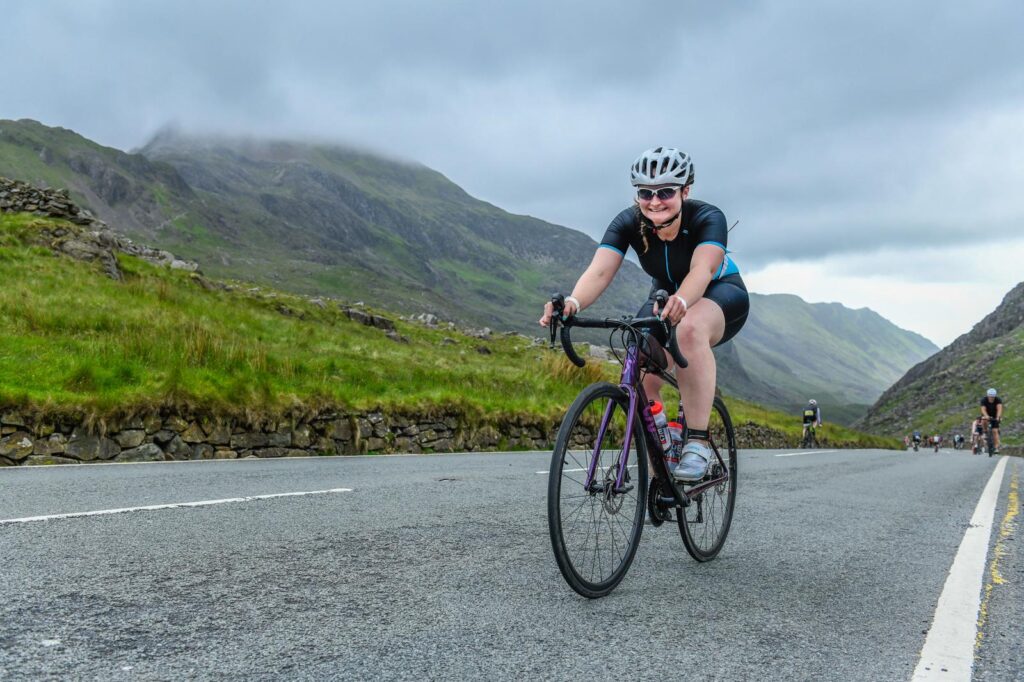
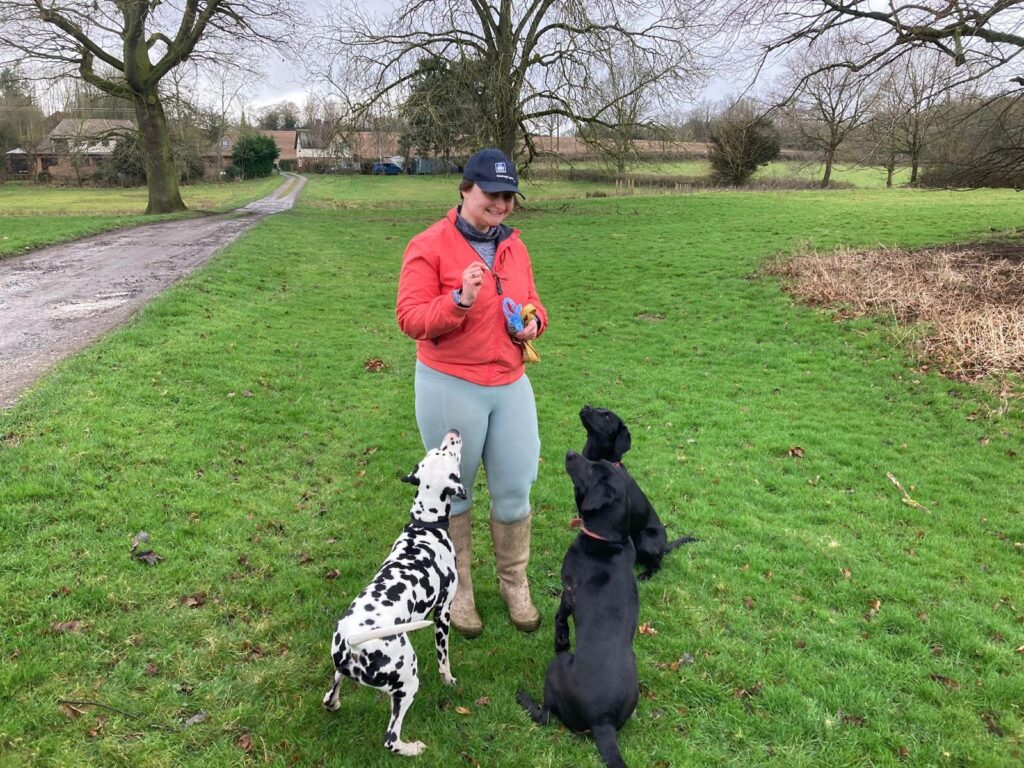
I’m very outdoorsy. I love swimming and compete in quite a lot of triathlons, so I spend plenty of time cycling and training. I’ve also got horses, so I ride whenever I can, and I enjoy walking the dog.
It’s still early days, but is there anything you’d like to see the fish and chip industry embrace?
I’m probably still too new to give a definitive answer, but I do think businesses should continue looking at ways to diversify where it makes sense. It’s something agriculture has become very good at over the years, whether that’s holiday accommodation, farm shops or other additional income streams. Every business is different, but when times are challenging it’s worth thinking creatively about new opportunities. The same applies at Drywite. Innovation has always been important to us, particularly on the food processing side of the business. We have two scientists working on product development and trials are happening all the time. Not every idea makes it to market, but we’re always looking for the next product that will help our customers.
Recent Posts
- Turn ordinary burgers into something extraordinary with Kerrymaid


- Seafish secures £1.4 million to expand seafood industry training
- CIEH issues advice to festival caterers after suspected food poisoning incident

- Hospitality outlets flat in second quarter after rapid churn of closures and openings

- Exhibition celebrates Colmans’ 100 year history