The National Federation of Fish Friers (NFFF) is backing a campaign calling for a reduction in VAT for the hospitality sector, arguing that a lower rate would help fish and chip shops survive rising costs and encourage growth.
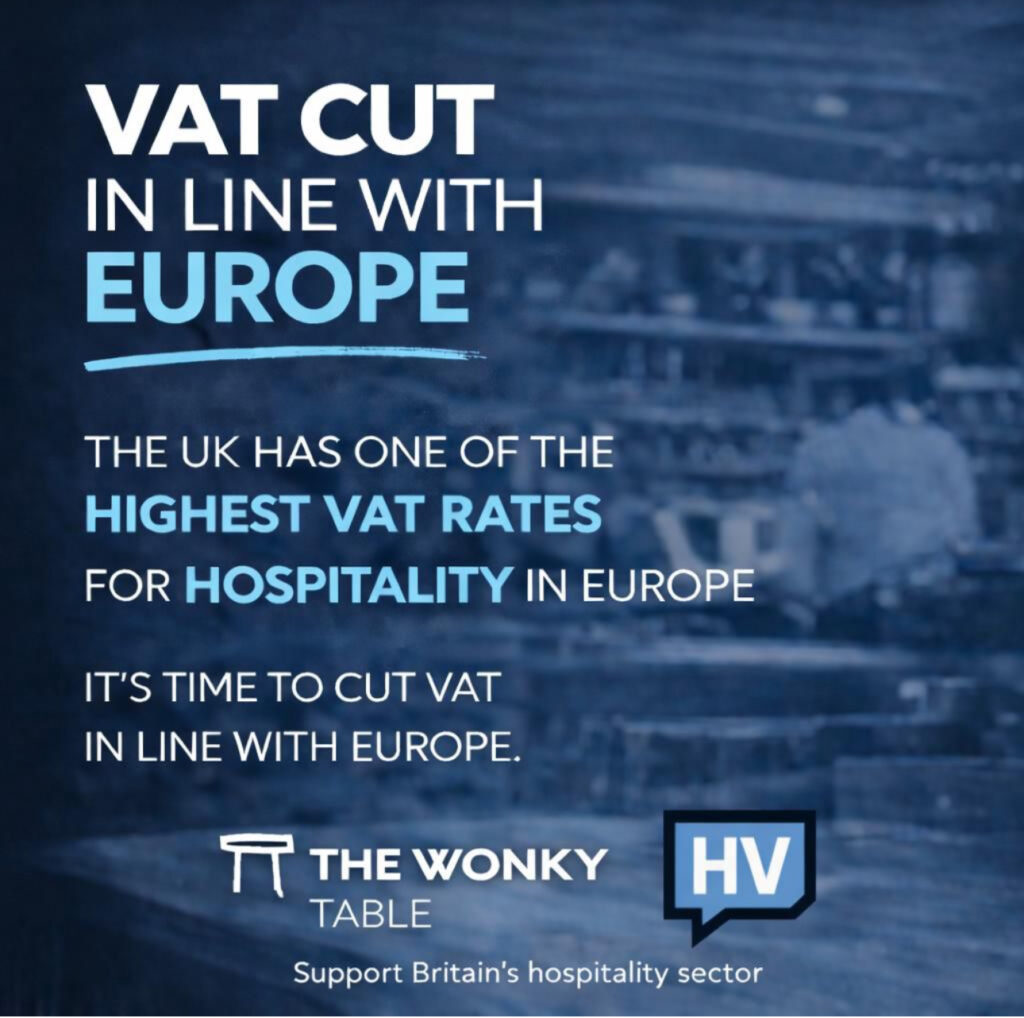
The trade body has joined the initiative led by The Wonky Table, which is urging the government to cut hospitality VAT to 13%, the average rate across Europe. The campaign is being spearheaded by publican Andy Lennox who recently banned all Labour MPs from entering his pubs in light of the government’s crippling business policies.

Supporters say aligning the UK’s VAT rate with European levels would help bring down menu prices, protect jobs and ease pressure on high streets.
Andrew Crook, president of the NFFF, said the campaign adds to growing industry pressure for reform. “It’s a big ask, but I think we’re getting closer,” he said. “There’s certainly a lot of discussion around VAT at the moment and this campaign helps keep the issue in front of government.”
Andrew said the federation had been approached to support other protest actions in hospitality, including calls to bar MPs, but decided a tax-focused campaign was more constructive for fish and chip businesses. “Rather than shutting MPs out, we’d rather get them into fish and chip shops and hospitality businesses so they can see the pressures operators are under and the realities of running a business,” he said.
He argued that reducing VAT would give businesses the financial headroom to grow and create jobs without relying on government support programmes, saying: “I told the DWP that all the schemes they are introducing to get young people into work, and the government putting a billion pounds into paying businesses to hire young people, may look good on paper. But small businesses are reluctant to hire, and many are reducing their operational hours just to keep costs down, rather than recruiting and expanding because the burden is too high. It would be better to reduce the tax burden and give us the headroom to start doing it ourselves. We won’t need a scheme then, we’ll do it ourselves.”
He also pointed to wider economic stagnation as a sign that conditions for small businesses need to change, adding: “The boom in the ’80s and ’90s came on the back of small businesses, people going out there and giving it a go and thinking, I’ll start a business. That’s where we can generate a lot of growth, and that’s what we need as a country. Running a business at the moment feels like a grind for a lot of people and we need that balance resetting.
“The boom in the ‘80s and ‘90s came on the back of small businesses, people deciding to start something and give it a go. That’s where a lot of growth can come from, and it’s what the country needs again.”
Recent Posts
- World Cup lifts pubs but restaurant sales dip in flat June for hospitality


- Takeaways and restaurants excluded from business rates cut

- Two chippies win one-to-one support from Frymax
- Bellingham and Rogers mural gives Birmingham chip shop a 30% boost to trade

- Fast food footfall falls as chicken continues to gain ground