Operational efficiencies, loyalty schemes and tracking changes in consumer spending are among the key factors that will help operators survive 2026
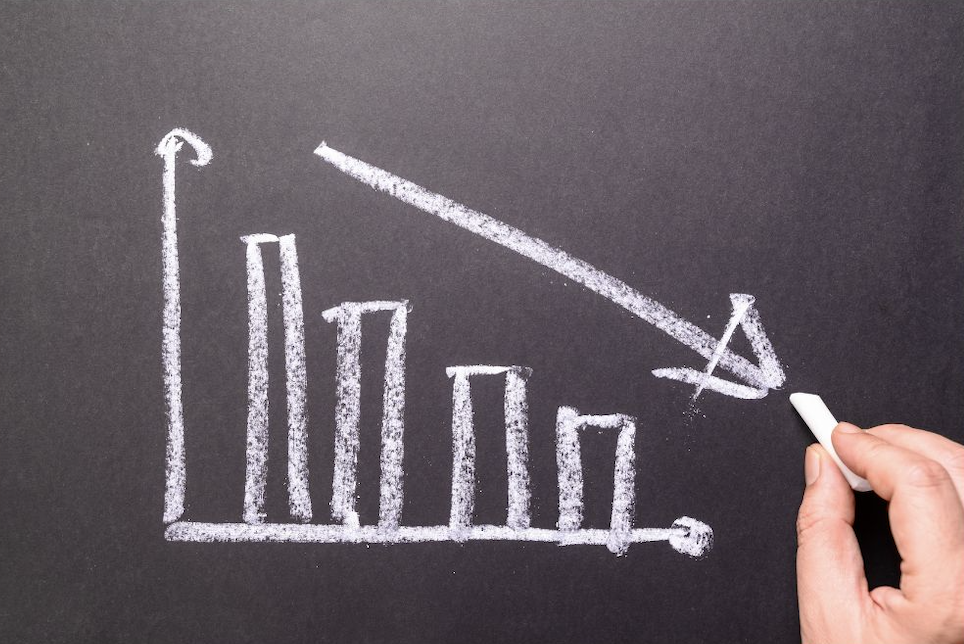
There’s no escaping it: 2026 is expected to be another tough year for the food industry. The latest research from global insights company IGD, What to plan for in 2026, reveals that just under half of consumers plan to cut back on away from home spend in 2026. While this sounds significant, it is actually little changed from the year before. There are, however, big differences by income brackets, with those on middle and higher incomes more likely to plan to cut back spend in 2026 than those on lower incomes.

A fresh spike
While there are hints at foodservice inflation stabilising, there is no real likelihood of living costs actually falling. James Walton, chief economist at IGD, says: “The major force that will deliver higher spending power for UK households will be higher incomes, not lower costs, so the process is likely to be slow.” And he warns that lower inflation is not secure or guaranteed, adding: “Any shock event could mean a fresh spike for energy, food or anything else.”
Given the economic outlook – flatlining incomes, higher taxes, and persistent inflation – IGD recommends foodservice businesses plan for continued weak demand growth. This means rather than frequently changing product ranges or chasing small, short-lived opportunities, focussing on operational efficiency, cost control, and protecting core business. Investments, it says, should be targeted and justified by clear, sustained demand, not by hopes of a rapid rebound.
Once Christmas is over, don’t just forget about, analyse it. Use festive insights to inform stock, promotions and messaging, ensuring plans are tailored to current consumer priorities and helping your businesses meet evolving needs in 2026. IGD also recommends focusing on balancing value and premium, supporting budgeting with loyalty schemes, and adapting ranges to reflect cautious spending.
Consumer coping strategies
Consumers have already made significant adjustments to manage higher costs, such as reducing frequency of eating out, and cutting back on grocery spending. With limited room for further savings, any new economic shocks could trigger sharper reductions in demand. IGD recommends businesses track changes in consumer coping strategies, so this could include things like increased use of promotions, trading down to smaller portions, or further reductions in discretionary spend, and be ready to respond quickly.
Despite continued caution, IGD notes that consumers will still selectively trade up, particularly around seasonal moments like Christmas, creating pockets of growth for businesses that can balance value with premium offerings. But don’t limit your focus to the big holidays. Consumer-driven occasions such as National Fish & Chip Day, British Pie Week, and major sporting events like the upcoming World Cup all give people a reason to treat themselves. In a challenging market, these moments matter more than ever—so prepare now and plan to make the most of them.
Recent Posts
- World Cup lifts pubs but restaurant sales dip in flat June for hospitality


- Takeaways and restaurants excluded from business rates cut

- Two chippies win one-to-one support from Frymax
- Bellingham and Rogers mural gives Birmingham chip shop a 30% boost to trade

- Fast food footfall falls as chicken continues to gain ground