
The frying industry has made real strides on sustainability, from certified fish to locally sourced potatoes, but one crucial ingredient is often left out of the conversation – the use of sustainable palm oil
The frying industry has embraced the sustainability movement for many years. Today, outlets proudly display the Marine Stewardship Council (MSC) stamp on their fish and champion the local farms behind their potatoes. We know that without these protections, fish stocks will be further depleted, leading to scarcity and even higher costs.
While this is to be applauded, Gary Lewis, head of business development and sustainability at KTC Edibles and president of the National Edible Oils Distributors Association, believes for too long, the conversation has missed a vital ingredient: the oil or fat used to fry those sustainably sourced products.
Driven by incoming regulations and growing awareness of the environmental impact of edible oils, he believes the frying medium is finally taking centre stage. He comments: “At the forefront is palm oil, the world’s most efficient vegetable oil. Palm offers a performance and texture that alternatives simply cannot match, and when grown sustainably, it requires significantly less land (meaning less deforestation) than alternatives. Driven by upcoming legislation, now is the ideal time to switch to sustainably sourced oils and fats.”
The legislative push
Gary points to the incoming EU Deforestation Regulation represents a fundamental shift in how we trade. “By the end of 2026, any business operating in the EU must prove its products are deforestation-free, backed by precise geolocation data,” he explains. “While the UK is currently navigating its own Forest Risk Commodity Regulation, the direction of travel is certain: transparency is no longer optional. Gary adds: “Non-compliance risks heavy fines and the loss of access to key markets.While this doesn’t currently impact fryers, moving to more sustainable oils is something suppliers can’t avoid.
“At KTC, we didn’t wait for the law to force our hand. In 2022, we took the decision to move to 100% RSPO-certified segregated sustainable palm oil. We did it because it was the right thing to do, but also because we recognised that the industry’s future depends on accountability.”
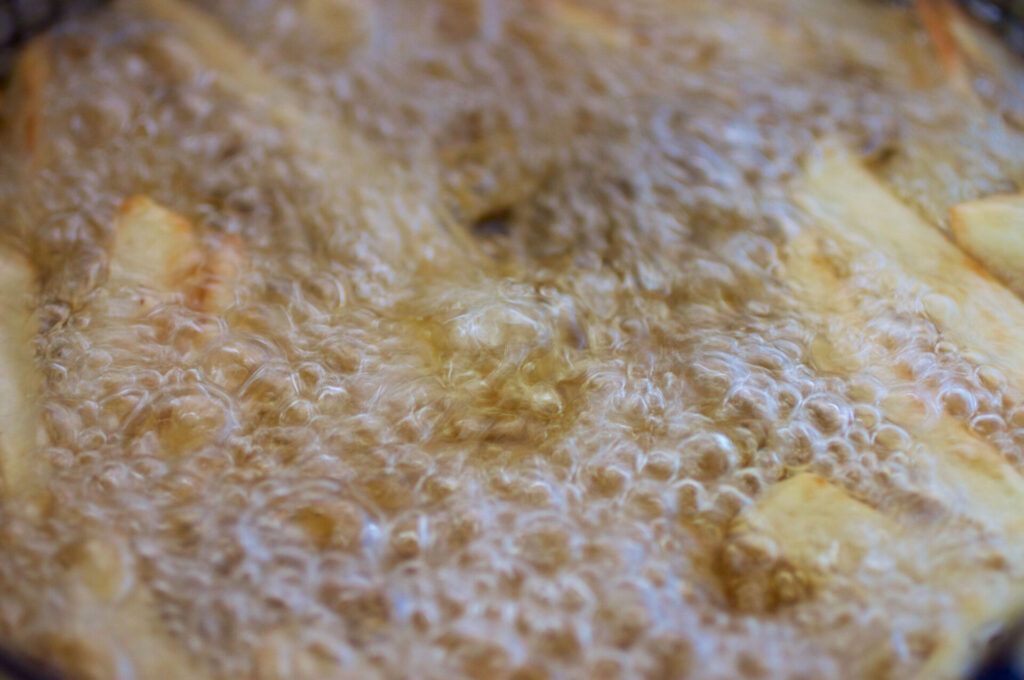

Sustainable palm oil options
In the fish and chip sector, outlets rightly pride themselves on provenance. They can often tell a customer exactly which trawler caught their haddock and which field grew their potatoes. For too long, however, the oil in the fryer has been the missing piece of the story.
“Sustainability exists on a scale, and understanding the differences is vital for any shop owner,” says Gary, explaining that RSPO certified sustainable can mean a few different things:
- Identity Preserved – sustainable palm oil, fully traceable from a single certified source.
- Segregated – sustainable palm oil taken from a range of different certified sources.
- Mass Balance – sustainable oil mixed with non-certified palm oil (but only the quantity of sustainable oil put in is sold as certified sustainable).
“For friers serious about their environmental impact, choosing Segregated or Identity Preserved palm oil are the best choices,” he adds. “It provides real traceability (with Identity Preserved, right back to the plantation), offering a level of transparency that represents the gold standard in sustainable sourcing.”
Easier than ever
The most common myth Gary is keen to dispel is that sustainable palm oil is hard to find or too expensive. “In truth, the UK is already around 80% of the way there in terms of sustainable uptake,” he says. “The supply is available, and the infrastructure is ready to support the final push.
“For an industry that depends on the health of the oceans and the land, ignoring the impact of our frying fats is a contradiction we can no longer afford. Moving to a 100% segregated frying oil simply keeps your business in line with previous sustainability initiatives and prepares it for incoming regulations.
“’The Switch’ is the next logical step in the evolution of the British food industry. It’s about taking the same pride in our oil as we do in our fish.”
Tips to keep your frying medium in prime condition
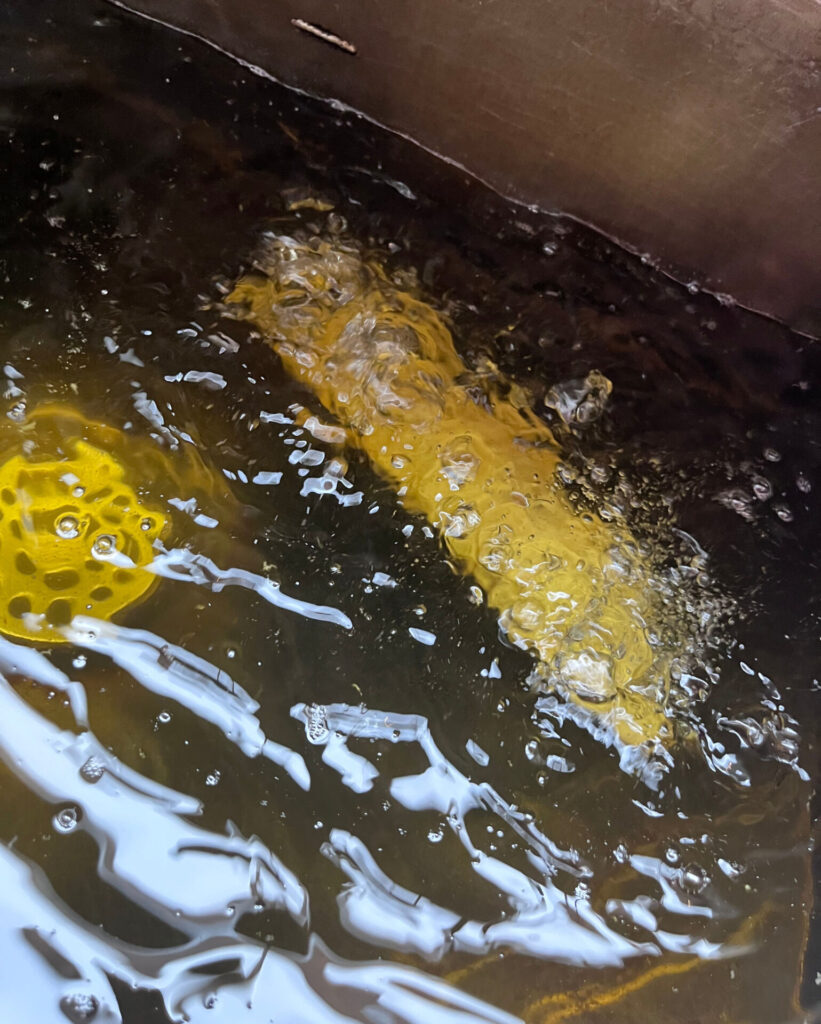
Fry at the correct temperature for your chosen medium: Even a few degrees too high can accelerate oil degradation, causing it to darken, thicken and require more frequent replacement.
Sieve and filter oil regularly: Remove food debris and carbon that speed up breakdown, ideally sieving throughout service and filtering at least once a day.
Avoid detergent contamination: Never wash pans with detergents as even trace amounts can cause rapid deterioration. Ensure any frying utensils are also free of detergent.
Heat solid fats gradually: When starting from cold, raise the temperature slowly to prevent localised burning and premature breakdown.
Do not overload pans: Overfilling pans lowers oil temperature, increases cooking times and fat absorption, and accelerates oil degradation.
Keep food as dry as possible: Excess moisture particularly from fish, chips and products that are fry from frozen, breaks down oil quickly and reduces its usable life.
Clean pans thoroughly and regularly: Remove baked-on residues and impurities that can contaminate oil and shorten its lifespan.
Recent Posts
- World Cup lifts pubs but restaurant sales dip in flat June for hospitality


- Takeaways and restaurants excluded from business rates cut

- Two chippies win one-to-one support from Frymax

- Bellingham and Rogers mural gives Birmingham chip shop a 30% boost to trade

- Fast food footfall falls as chicken continues to gain ground