Dinner delivery is declining as lunch emerges as a key occasion, while blanket offers are giving way to loyalty schemes and targeted promotions, and Friday and Saturday demand is shifting into early-week routines, says a new report in to the UK delivery market
The UK foodservice delivery market is entering its next phase. After a decade of rapid expansion turbocharged by the pandemic, delivery is settling into a more mature, competitive environment where growth is slower, margins are tighter, and success is increasingly defined by operational excellence rather than geographic scale.
According to UK Foodservice Delivery in 2026 from Lumina Intelligence, the UK foodservice delivery market is forecast to grow by +2.8% in 2026 to reach £14.8bn, outperforming total eating and drinking out. Looking further ahead, the market is projected to reach £15.8bn by 2029, representing a +2.2% CAGR. For fish and chip shops and fast food operators, this signals an important reality: delivery remains a major revenue stream, but the rules of the game have changed.
Consolidation
A seismic shift occurred in late 2025, when a wave of acquisitions consolidated the UK delivery market under Uber Eats, DoorDash-owned Deliveroo, and Prosus-owned Just Eat. For fast food operators, this creates both opportunity and risk. While platforms can drive demand and discovery, rising commissions, fees and reduced transparency mean operators must be more strategic in how they use them.
Despite economic pressure, delivery participation and spending both increased over the past year. Weekly delivery penetration rose to 11.7%, while average spend per visit climbed to £25.99, outpacing inflation. Consumers are still willing to pay for delivery, as long as it delivers clear value in convenience, quality or time savings.
However, delivery demand is now being driven overwhelmingly by higher-income households, particularly those earning over £100,000, and by 25–34-year-olds living in urban areas. Lower-income groups and younger consumers are stepping back, using delivery more selectively as a treat rather than a routine purchase.
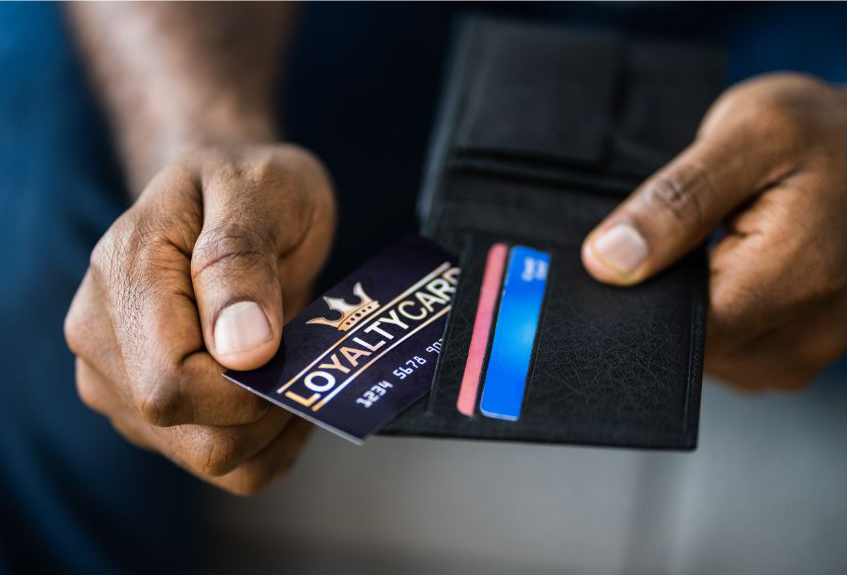
For independent fast food and fish and chip operators, this underlines the importance of knowing your customer. Blanket discounting is losing effectiveness, while targeted offers, loyalty rewards and menu formats designed for specific occasions are becoming far more powerful.

Early-week and lunchtime occasions
One of the most notable changes in delivery behaviour is when people order. Historically dominated by weekend dinners, delivery is now increasingly embedded into early-week routines, with Mondays and Tuesdays growing fastest year-on-year. Lunch has also emerged as a key growth occasion, with delivery lunch missions rising +4.5 percentage points since 2024, fuelled by hybrid working and functional “workday break” needs.
At the same time, dinner delivery has declined as consumers become more intentional about evening spending, often choosing dine-in experiences or cost-controlled meals at home.
For fast food operators, this shift creates opportunities to:
- Develop lunch-friendly menus that are quick, filling and competitively priced
- Introduce early-week meal deals or family-sharing formats
- Optimise operations for daytime delivery, not just peak evenings
Fish and chip shops in particular are well placed to capitalise, as chips remain the single most ordered delivered item, with burgers and fried chicken also growing in popularity.
The backbone
Fast food remains the backbone of UK delivery. Branded traditional fast food and contemporary fast food are forecast to be among the fastest growing delivery channels, while delivery-focused players and independent restaurants continue to lose share.
Menus that travel well, deliver consistent quality and offer recognisable favourites perform best. Operators that have adapted portion sizes, packaging and cooking methods for delivery – avoiding sogginess, heat loss or presentation issues – are seeing stronger repeat usage.
At the same time, consumer priorities are shifting. Health and quality now outrank brand familiarity as reasons for choosing where to order from. Demand is growing for higher-protein options, lower-UPF food, and greater nutritional transparency, even within fast food. This doesn’t mean abandoning core classics, but it does mean offering choice, clearer menu cues and better communication through delivery apps.
Rising costs
Rising labour costs, National Insurance changes, Extended Producer Responsibility (EPR) packaging fees and employment legislation are adding pressure across the sector. In response, both platforms and operators are accelerating investment in AI, automation and data-led optimisation.
Delivery leaders are using technology to forecast demand, optimise prep times, personalise offers and reduce last-mile costs. Autonomous delivery robots are already being trialled in UK cities, signalling where efficiency gains may come from in the future.
For operators, the message is this: delivery growth in 2026 and beyond will come from doing delivery better, not simply doing more of it. This includes:
- Tight delivery menus built around best-selling lines
- Smarter pricing and promotions
- Loyalty schemes that reward repeat delivery use
- Exploring first-party or white-label delivery options where viable
Delivery in 2026 remains full of opportunity for those willing to adapt.
Recent Posts
- World Cup lifts pubs but restaurant sales dip in flat June for hospitality


- Takeaways and restaurants excluded from business rates cut

- Two chippies win one-to-one support from Frymax
- Bellingham and Rogers mural gives Birmingham chip shop a 30% boost to trade

- Fast food footfall falls as chicken continues to gain ground