Fish and chip operators will know NEODA for its support of National Fish & Chip Day, but the organisation’s reach goes far beyond that. President Gary Lewis and secretary-general Lynda Simmons explain the wider work NEODA does across standards, sustainability and the future of the industry
How and when did NEODA first form?

NEODA, the National Edible Oil Distributors Association, was founded in 1947. At that time, the UK fats and oils industry consisted of numerous processors, so the organisation was established to maintain quality standards. Although the market has since consolidated, NEODA’s core purpose of maintaining standards remains the same.
Who are your members?
Although it’s heavily oil‑based and includes major global refiners, packers, distributors, wholesalers and transporters, it also includes suppliers of non‑oil products like batter mix, sausages, potato preservatives and frying ranges. Whereas once it was very closely tied to the fish and chip trade, it’s a lot broader now because those companies are supplying not only fish and chip shops, but also retailers, bakers and foodservice.

What does NEODA do?
Most people know us for National Fish and Chip Day, but a lot of the work we do in the background is about ensuring that quality and standards are set and adhered to by industry players, so that what shops receive is tested, tried, and trusted. Twenty to thirty years ago, adulteration was a huge issue – mixing oils, incorrect weights and wrong packaging – but a lot of that has been eradicated, largely due to our Oil Monitoring Programme and Guarantee of Confidence Scheme. We’re making sure members operate under set standards and that everyone competes on a level playing field.
Has NEODA found issues and brought them to light?
Yes, the Oil Monitoring Programme picks this up. We take representative samples of all major oils and fats sold in the UK and test them to ensure the labelling conforms to regulations. If it’s a genuine labelling issue, we write to the company involved and suggest changes. But if we find something more serious, such as adulteration, incorrect nutritional labelling or underweight products, we contact both the company concerned and their local trading standards office. We have conducted audits and issued fines.
We also work closely with the National Food Crime Unit, part of the Food Standards Agency, who take fraud very seriously and further investigate anything that we highlight to them. At the moment, the biggest issues aren’t adulteration but incorrect nutritional labelling and incorrect claims. And it’s not usually about making money, it’s more ignorance or over‑claiming. The good news is that the Oil Monitoring Programme has been a huge success because we’re not seeing what we did in the ‘80s when 75% of products were adulterated or underweight. Now it’s more about clearing the market and keeping on top of things.
Ultimately, this is driving up standards so operators get what they are buying?
Yes. We don’t want people taking advantage of situations. Take the Ukraine war, for example. A lot of oil wasn’t available, and so we saw material come in with foreign labels or products out‑of‑spec because they’d been stored too long. We’re highlighting those issues. Everyone’s trying to cut costs, but it should not be at the expense of quality.
What is the Guarantee of Confidence and who can use the logo?
The Guarantee of Confidence logo reassures buyers that what it claims is in the tin is in the tin, that the weight is correct and that the labelling and nutritional info is correct. Anybody who’s packed within NEODA, or packed by a NEODA member, can use the logo.
What percentage of fats and oils available in the market carry that logo?
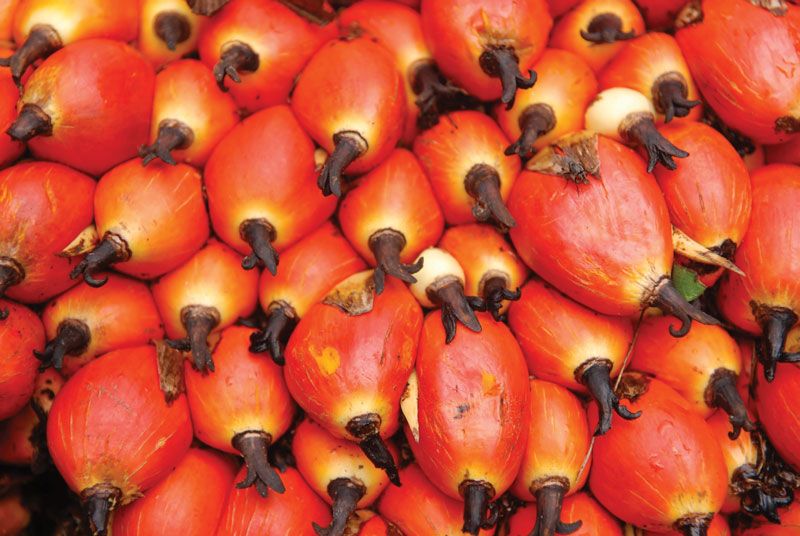
It’s hard to say. All the major refiners are involved with NEODA, but not every packer is a member and some distributors pack for other brands that aren’t members. For palm oil, probably 60–70% of the market are NEODA members, vegetable oils is a similar figure and beef dripping is 100%. We probably represent over 80% of the market now.
You mentioned working with the government. What does that involve?
At the moment, not as much as we’d like because the government has continued relying on EU legislation so we’re waiting for clarity on a lot of issues.
One key thing is the EU Deforestation Regulation which has been around for a couple of years. It was meant to come into force last year, but it’s been delayed and it looks to be delayed again. It will affect all commodities coming into Europe and it will mean any palm and soybean oil coming into the UK from Europe must come from non‑deforested areas. We were part of the discussion on this legislation as well as other legislation around contaminants, chemicals, allergens and packaging rules. Palm oil was a big one for us. It needs to be segregated and RSPO compliant and it was a tough challenge to get people to adjust to that, but we’ve been at the forefront of this since the beginning. We’ve even held meetings at Chester Zoo with our members, which is a big advocate for sustainable palm.
Is there anything else that NEODA gets involved in?
We run training seminars. We did one in 2024 and had nearly 60 people attend, both members and non‑members. We covered how oils and fats are produced, market reports, EU Deforestation Regulations, packaging regulations – the whole seed‑to‑plate journey. It was really well received so we’re planning to run those every other year now. We’re also revamping the NEODA website and have launched a LinkedIn page to educate people about what we do.
People will know NEODA for National Fish and Chip Day. How was the 10th anniversary?
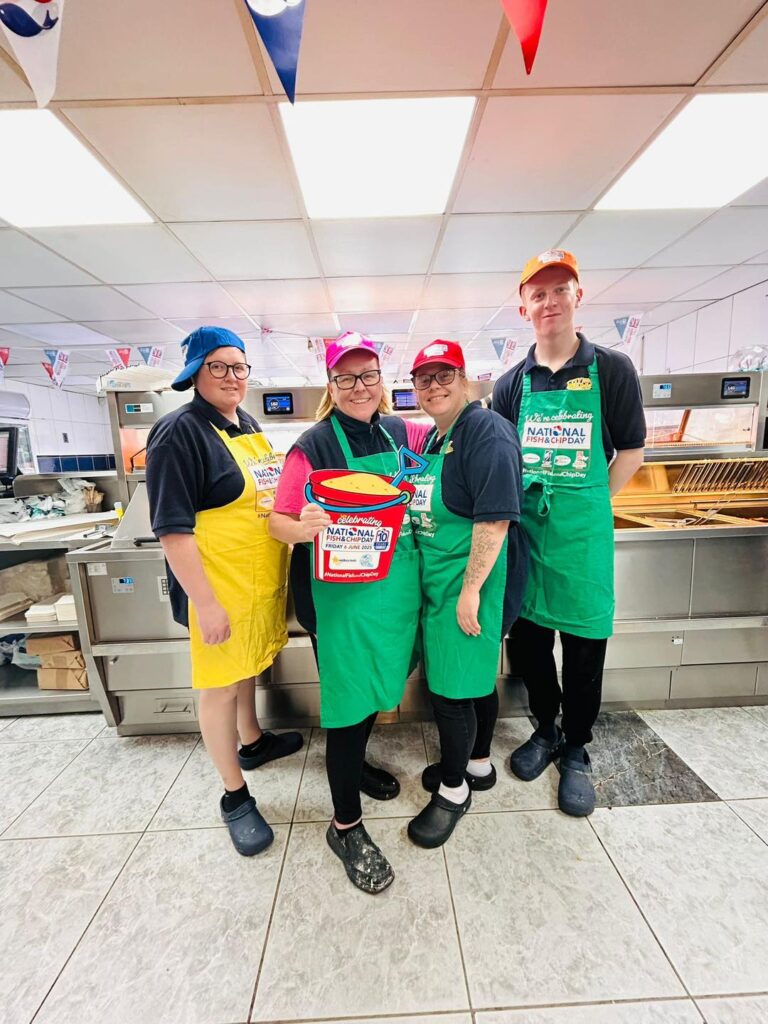
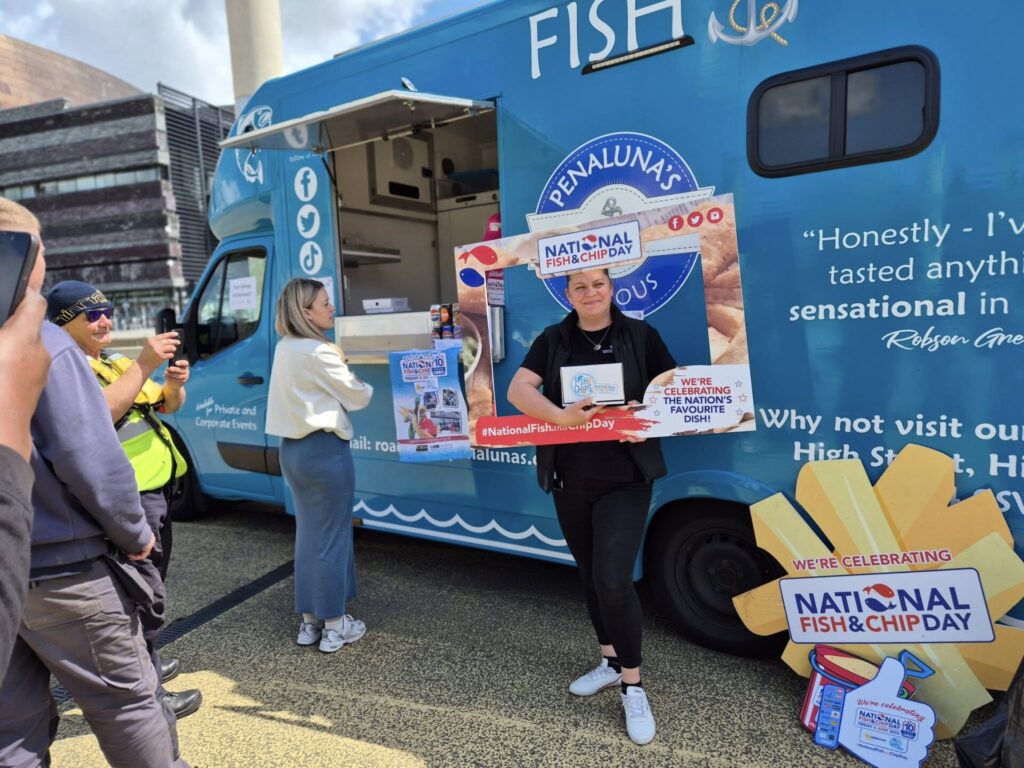
This year was incredible. People piggybacked on the 10th anniversary, so we got more coverage and a lot more sponsors. We’ve got lots of ideas for the coming years: we’d like to hold a relay throughout the country and try some world record attempts, but that all requires support from sponsors. We know that fish and chip shops love the support we give them on National Fish & Chip Day, we’ve just got to work on getting the sponsors involved earlier. One thing is for sure – the industry is facing difficult challenges, and times like these are when you need to bring everyone together.
What’s the biggest misconception you’d like to dispel?
That fats are bad for you. Fats aren’t bad for you and, in fact, our bodies need some level of fat to function. Unfortunately, we are in a time where it’s too easy to consume too much fat so it’s about moderation. And actually lots of fats are beneficial so we’re very pro most fats. There are also misconceptions about palm in particular, people thinking it’s all bad, or that sustainable palm doesn’t exist. About 40% of palm oil is produced by smallholders, these are people that just own a plot of land and by buying sustainable palm from these farmers supports communities. So the misconception that all oils are bad is one we’re trying to tackle.
What’s the outlook when it comes to prices and availability of fats and oils?
It’s been a tough few years with Brexit, lockdowns and Ukraine, and oil prices hit record highs due to lack of availability. Things are more stable now, but biodiesel demand is keeping prices high – 60% of palm and rapeseed goes into non‑food applications and there are now rules to include more oils and waste oils into aviation fuel. In addition to this, new EU deforestation rules would mean that compliant oil is more expensive.
On the whole, oil prices are relatively stable, but the real issue for shops is everything else – energy costs, minimum wage rises, fish prices and quotas. All these factors together make it a difficult time for the food service industry.