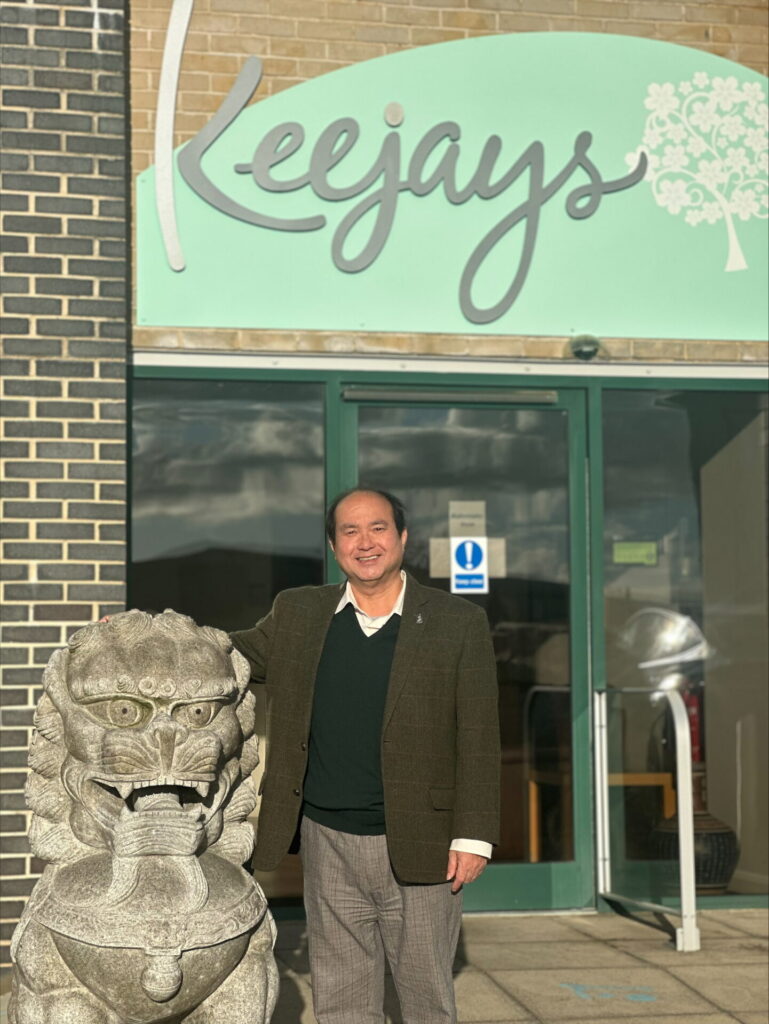
From a humble roux created in a Chinese restaurant kitchen to becoming a leading producer of speciality sauces and concentrates, Sammy Lee, founder of Keejays, shares the company’s story as it marks its 40th anniversary
How did Keejays begin?
To understand the origins of Keejays, we must go back to 1959. My dad came over from Hong Kong after leaving the Merchant Navy. He stepped off a boat in Marseille, caught a train to Calais, then a ferry to England. He didn’t speak English – all he had were notes scribbled on bits of paper.
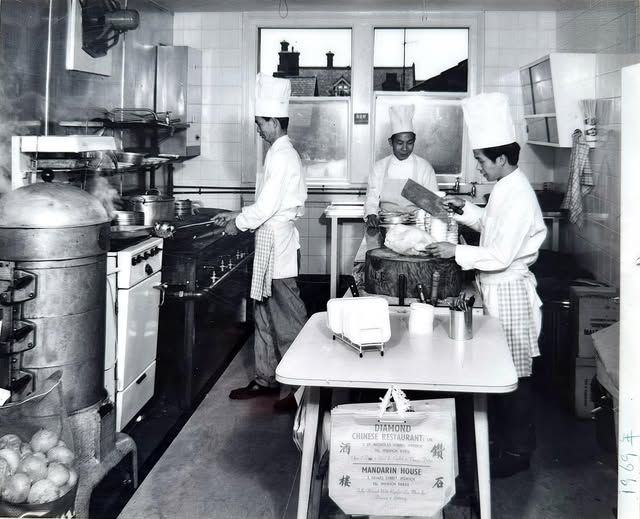
He made his way to London, where he met up with friends and family who were already settled. He got a job as a dish washer, but everyone knew that wasn’t a long-term plan so they decided to open a Chinese restaurant. On his day off, he and his friends drove up the A12. Romford already had Chinese restaurants, same with Chelmsford and Colchester, so they kept going until they reached the coast and landed in Clacton-on-Sea, where they opened the town’s first Chinese restaurant.
My dad didn’t have formal cooking experience, but he had a real appetite for learning. He noticed something missing from the menu – a curry. He loved Indian curry from his time in London, so he decided to create his own version. He started experimenting, and what he came up with was a roux-style sauce mix made from flour, oil, spices and seasoning.

It was a thick, rich base that he’d prepare in advance. When it came to service, all he had to do was dilute it with water and heat, turning what used to take hours into a process that took just minutes. It made producing curry sauce much easier during busy trading hours, and his customers loved it. Other Chinese restaurant owners started asking for the recipe, and just like that, what became known as “Chinese curry” started spreading.
How did that lead to mass production and the founding of Keejays?
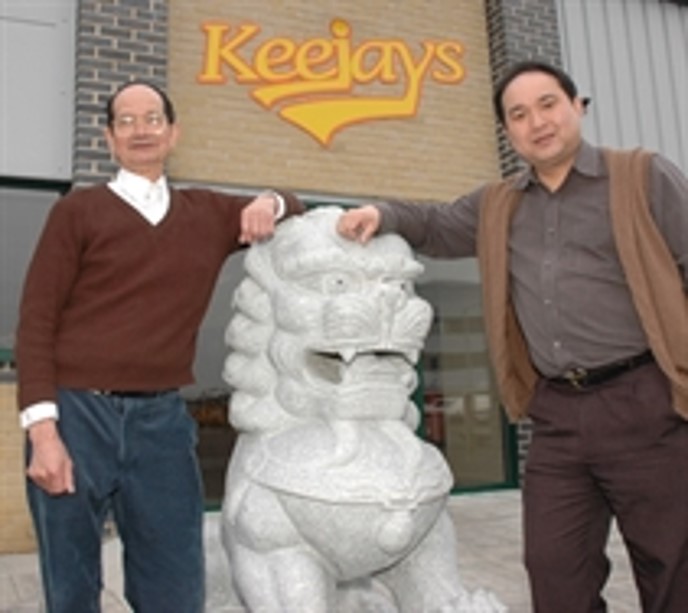
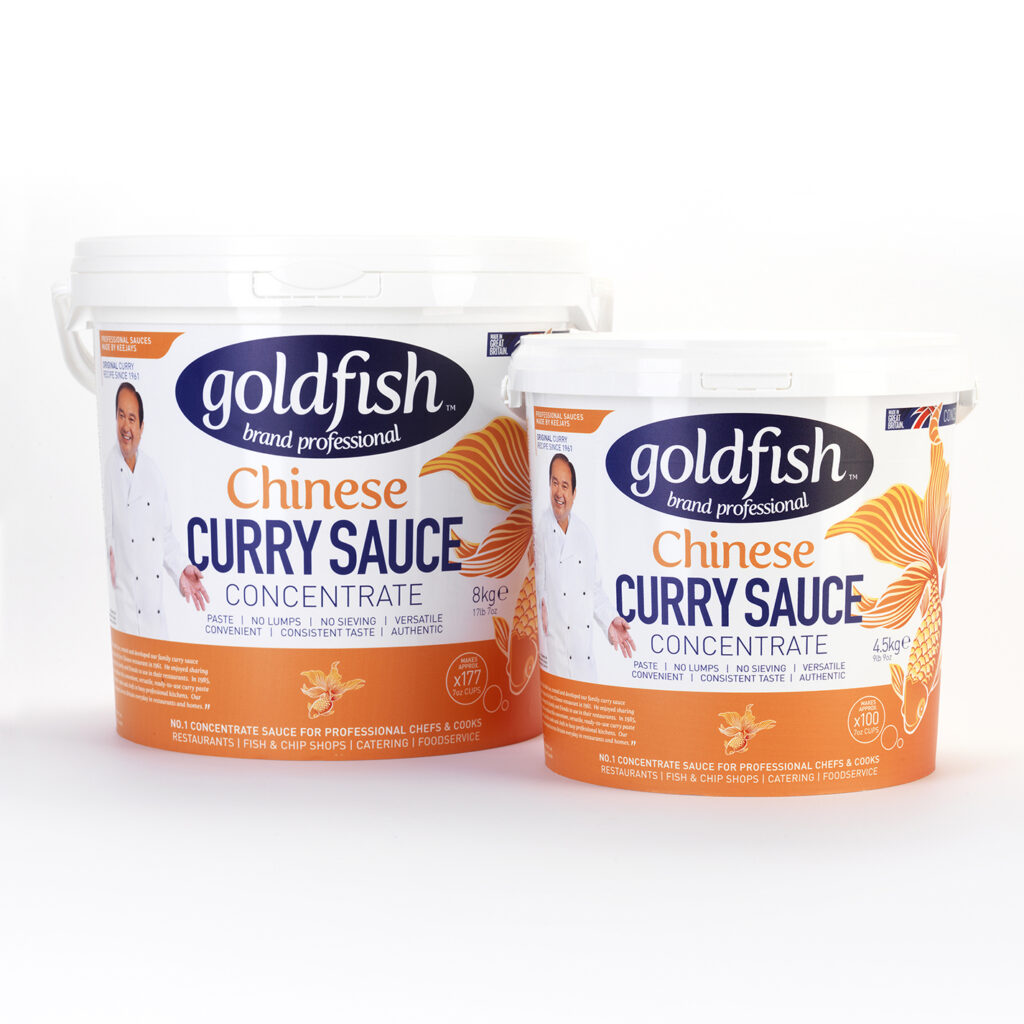
In the early ‘80s, I’d just finished school and wanted to start my own business. I asked my dad if we could make his curry sauce commercially. His name was Kee, and both my brother and I have the middle name Jay, so we combined them, and Keejays was born. In 1985, we rented a small industrial unit in Hadleigh, Suffolk, and started manufacturing what we simply called Goldfish Brand Chinese Curry Sauce.

How did the brand make its way into the fish and chip shop market?
Originally, we were only supplying Chinese cash and carries and supermarkets. But in 1987, we got a call from Tony Rogers at V.A. Whitley, who said Goldfish Brand would be a brilliant fit for the fish and chip trade. That was the turning point, and it grew from there.
How did Goldfish Brand change the industry?
Back then, most chip shops used powdered curry sauce mixes. Ours was different, it was a moist paste packed in a bucket. That gave it several advantages. It delivered a creamier texture that really coated food, such as chips, well. It also offered more savouriness and body that powder mixes lacked. At first, many chippies offered both – ours alongside a powdered mix – but over time, our product began to outsell the powder, and it’s been a key part of the fish and chip shop offering ever since.
How have you expanded the product range since?
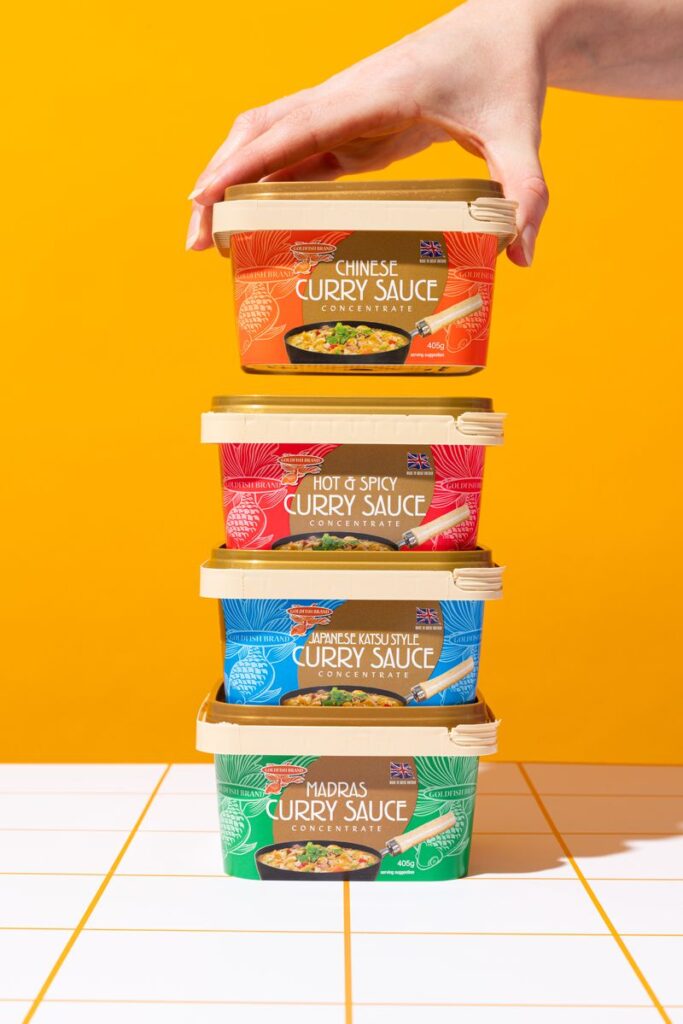
By the late ’80s, some customers were asking for a stronger curry, so we developed a Hot & Spicy version – slightly spicier than the original. Then we added a Madras curry using curry powder imported from India. About ten years ago, we saw Japanese curry – or katsu curry – becoming popular, so we created a Goldfish Brand version of that too.
When did you realise the fish and chip shop market would be so central to your business?
It became clear in the late ‘80s, after Tony’s introduction and our listing with The Q Partnership. The fish and chip sector is what truly helped grow Keejays into what it is today. It gave us the foundation to branch into other products – like hoisin, sweet chilli, sweet and sour – for both retail and foodservice. I’m so grateful to the fish and chip industry and we’re here today to support the industry that’s supported us. Fish and chips is such a unique, cherished part of British food culture, loved by families, young and old. It deserves to be celebrated, protected and elevated.
Have you expanded your premises to match your growth?
Yes. We’ve always been based in Hadleigh, Suffolk. My dad opened a takeaway here in 1974 after having restaurants in Clacton and Ipswich and we’ve stayed ever since.
About 20 years ago, we bought a 2.5-acre plot on the Hadleigh Industrial Estate. Over the course of a year, we built our own purpose-built factory. We’ve since expanded it with another building at the back. It’s now a BRCGS Double A-accredited facility so very high spec, with offices, warehousing and full-scale production under one roof.
Looking back over 40 years, what are you most proud of?
The day we received the keys to our own factory – a building we owned, built specifically for us – was a huge moment. Now we’re planning to build another factory next door on more land we’ve acquired. From starting with a single curry mix idea to this, it’s a journey I’ll never forget.
What do you credit your success and longevity to?
The good folks who have joined me and helped run Keejays day-in and day-out, from our managers to our production teams and warehouse staff. Many have been with us for over 30 years. They’re hardworking, committed, and I’m forever grateful to them for putting up with me and giving 110% every day.
What have been your biggest challenges and how did you overcome them?
The biggest challenge has been seeing downturns, and of course, Covid was a major challenge. But because we supply the takeaway sector, we kept going. One unexpected challenge during Covid was getting hand gel sanitiser. We couldn’t find any, or it was incredibly expensive. So we thought, “Why not make our own?”
We developed our own food-handler-friendly hand sanitiser with no perfume and less drying alcohol. Within two weeks, we had a formula. But getting the alcohol was the hard part. We contacted suppliers all over – even as far as Siberia and Japan – we contacted oil companies, because one of the byproducts is alcohol, but no. Eventually, we found a refinery in Austin, Texas.
Then we had to make sure our factory could safely produce it. Our usual electric mixers couldn’t be used in case a spark ignited the alcohol, so we sourced air-powered motors and adapted quickly. We then had to tell our insurance company we had 10 tons of 99.99% pure alcohol on the premises, to which they raised their eyebrows! In the end, we produced over 350,000 litres of hand sanitiser, giving away 40–45% of it to first responders, care homes and nurseries who couldn’t get or afford any.
How have customer tastes evolved over the years?
People’s tastes have become more adventurous and refined. They’re looking for bolder flavours, so our Hot & Spicy curry has seen a resurgence. It’s got heat, but it’s balanced, not overpowering. We’re putting the spotlight more on that now.
How will Keejays stay relevant for the next 40 years?
The fish and chip sector has been the backbone of our success. We’re committed to giving back and staying relevant. Right now, we’re developing innovative new sauces, and we’ll be launching the first at Henry Colbeck’s What’s Cooking? show in Harrogate in February. I can’t say much yet – it’s under wraps – but we’re not reinventing flavours, we’re innovating how they’re delivered. It’s about helping fish and chip shops elevate their offering. We’ve also acquired more land and plan to build another new factory. It’s all made possible by the continued support of the fish and chip industry.